Trump's Shadow Looms Over Tight Midterm Races as Approval Numbers Dip
The president's rallies and legal challenges are shaping a tight race where approval numbers and economic fears are driving voter turnout.
By Rahul Garnier ·
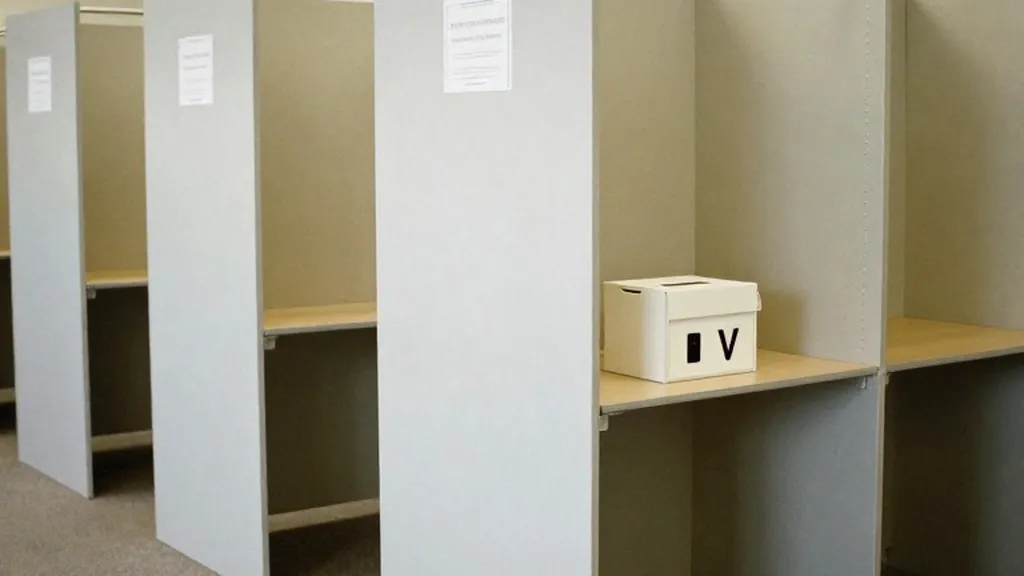
President Donald Trump is not on the ballot in the 2026 midterm elections, but his influence is the central variable voters are weighing in every district. According to the Associated Press, the election is being framed as a referendum on the president's second term. With polls open across the nation, the outcome will determine which party controls Congress for the final two years of Trump's presidency. The stakes are high, as a shift in either chamber would alter the balance of power in Washington significantly.
Trump has been actively campaigning throughout the final weeks of the race, holding dozens of rallies to mobilize the base. His schedule included stops in Mississippi, South Carolina, and Texas, with his final event before Election Day taking place in Salina, Kansas. At that final rally, Trump urged supporters to vote for Republican candidates by saying he really wanted them to pretend he was on the ballot. This strategy aims to channel his high national name recognition into down-ballot races that are often less visible to the general public.
Despite the president's energetic schedule, many Republican candidates have kept a careful distance from Trump in recent days. This tactical retreat reflects a broader concern among GOP strategists about the president's approval numbers. According to AP-NORC polling, only 35 percent of U.S. adults approve of Trump's job performance. Even lower, 25 percent approve of his handling of the economy. These figures suggest that while Trump can energize partisans, his economic record may be a liability in competitive districts where voters are focused on the cost of living.
The economic mood is a dominant theme in this election, with about seven in ten Americans saying the country is heading in the wrong direction. Most voters in the AP-NORC poll blame Trump for high prices, a sentiment that is driving turnout among independents and moderates. Voter James Moore, a 57-year-old librarian in Raleigh, North Carolina, expressed this frustration directly, noting that he is paying more for taxes, healthcare, and everything else. His comments reflect a widespread anxiety that is influencing how voters approach the ballot in swing states.
Conversely, Trump remains a powerful force for Republican turnout. Voter Mark Barker from Palm Beach Gardens, Florida, described himself as following Trump closely and believing the president is doing an awesome job. This dichotomy in voter sentiment is playing out in the 46 battleground districts identified by Ballotpedia. In these races, the margin of victory is often slim enough that the president's ability to draw crowds could tip the scales, even if his national approval ratings are low. The fight for the House is particularly tight, with Democrats needing a net gain of three seats to take control from the Republicans.
The Senate race adds another layer of complexity, with 35 seats up for grabs, including 13 in states that are considered competitive. Ballotpedia rates several of these races as toss-ups or leanings, with key contests in Maine, Iowa, Kansas, and Alaska. The Trump administration has also intervened in the process, filing lawsuits in Alaska and related to the certification of results. These legal moves have raised concerns among Democrats about potential interference, while Republicans argue they are protecting the integrity of the vote. The outcome in these states will determine whether the Republican majority in the Senate survives the midterm test.
Money has played a historic role in shaping the campaign, with the 2026 election likely to be the most expensive in history. Republican committees outraised and outspent their Democratic counterparts, aided by Trump-affiliated groups and Elon Musk. However, at the candidate level, Democrats managed to outraise their opponents. An analysis by the AP of AdImpact data shows that 88.1 percent of Republican general election TV ad spending went to states and districts Trump won in 2024. This spending pattern suggests that Republicans are focusing their resources on consolidating wins in Trump country rather than fighting for marginal seats in blue districts.
False claims about voting fraud have also become a part of the election narrative. Trump has continued to assert that noncitizens are voting in large numbers, a claim that is not supported by the available data. His administration sued in Alaska and California, and the Justice Department has threatened to prosecute local election officials. These actions have led to fears of intimidation among some voters. A federal judge temporarily barred the administration from carrying out a plan to prevent noncitizen voting, citing concerns about disenfranchising eligible voters. This legal battle is playing out as millions of Americans cast their ballots today.
The mood in the campaign headquarters reflects the uncertainty of the moment. RNC Chairman Joe Gruters stated that everything depends on turnout, asserting that if Republicans turn out their voters, they will win. In contrast, DCCC Chair Rep. Suzan DelBene described the American people as angry and wanting change. Both parties are bracing for a close result, with the AP noting that one or two seats could tip the balance in either chamber. The Democrats are cautiously optimistic about their chances to take the House, while Republicans are fighting to hold the Senate. The final outcome will depend on how voters translate their frustrations into votes at the polls.
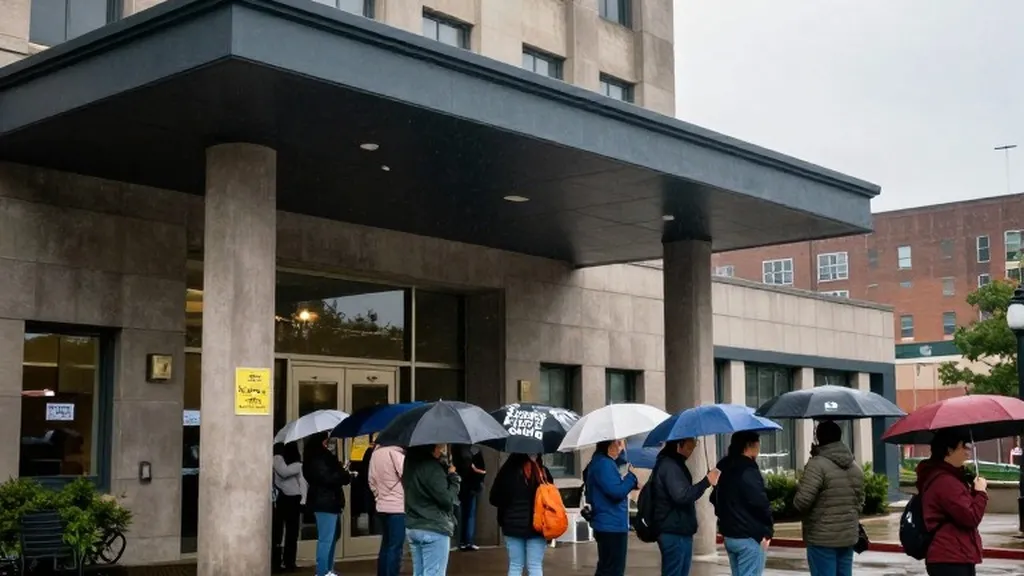
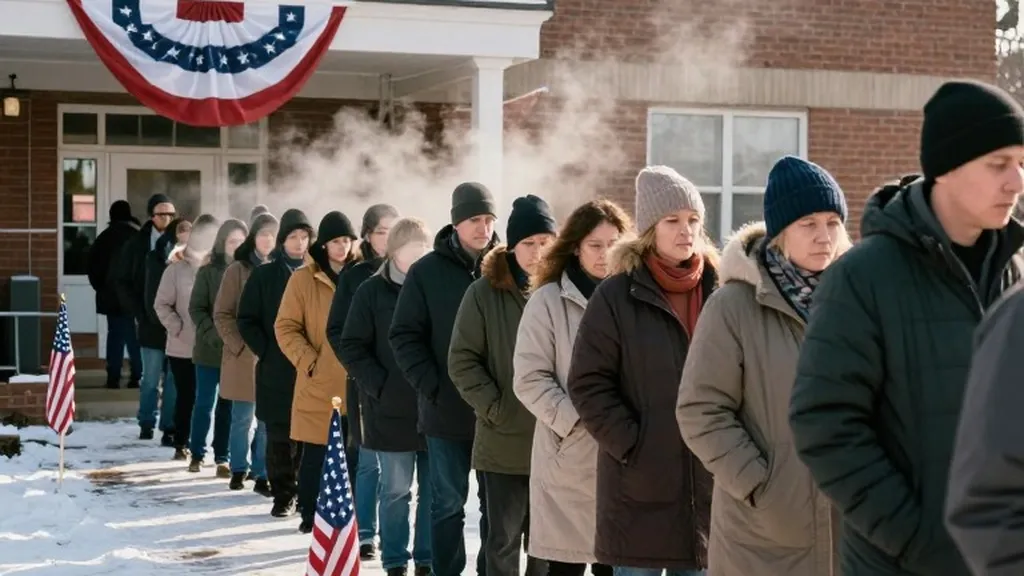
As polls close across the country, the U.S. Postal Service has added staff and hours to ensure mail ballots are counted on time. More than 57 million people had already voted as of Monday, surpassing early vote numbers from four years ago in many states. This high volume of early voting suggests a high level of engagement, but it does not guarantee a decisive outcome. The results will decide who controls Congress for the next two years, setting the stage for the final stretch of Trump's presidency. Voters in 36 governorships are also making choices that will shape state policy and the political landscape for the next decade.