Turnout hits 59M as Democrats seize Congress, Trump weighs Iran war
Record early voting and a wave of dissatisfaction delivered Democrats control of both chambers, leaving the president to decide the future of the conflict in the Middle East.
By Sarah Ross ·
Voters across the United States cast their ballots on Tuesday, November 3, in a midterm election that delivered a decisive shift in power to the Democratic Party. According to an Associated Press analysis, more than 59 million people had already cast ballots before Tuesday, surpassing the early-voter turnout recorded in 2022. This surge in participation was driven by a electorate that the AP Voter Poll described as deeply unhappy with the country's direction and pessimistic about the future. The high volume of early votes set the stage for what analysts are calling a referendum on President Donald Trump's second term, with voters expressing frustration over high prices and the ongoing war in Iran.
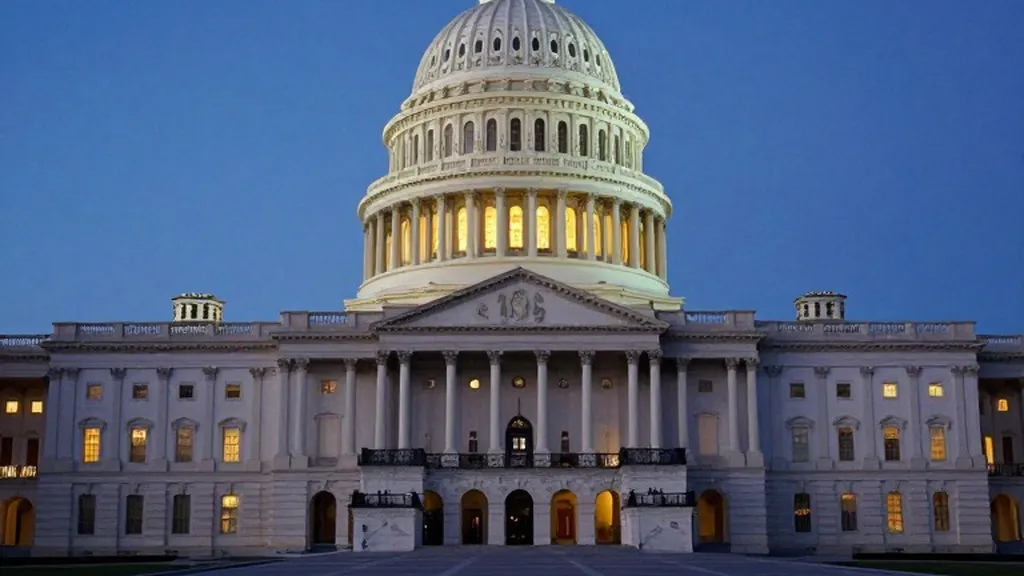
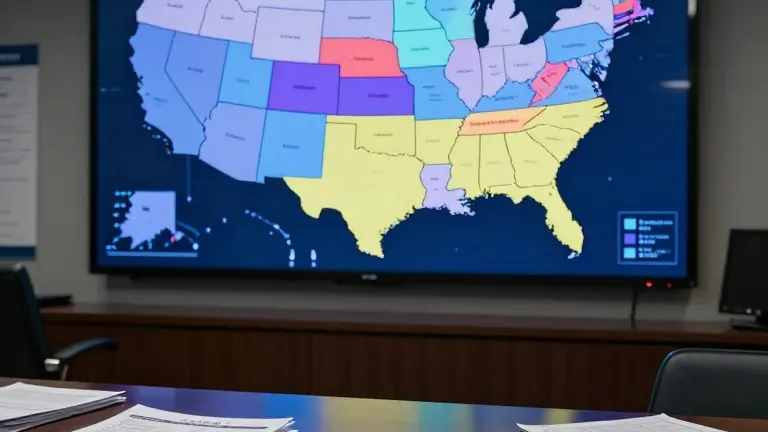
The results confirmed the scale of the Democratic victory. As of 4:26 PM ET on November 5, Democrats had won 238 House seats while Republicans captured 146, according to Ballotpedia. This net gain of 33 seats gave the Democrats a clear majority in the House of Representatives. In the Senate, the party also secured control, winning 20 of the 35 seats up for election as of 9:05 AM ET on November 4. Decision Desk HQ projected Democratic control of the Senate on election night, and the final tallies showed a net gain of seven seats for the party. This outcome ended the Republican majorities in both chambers that had been in place since the 2024 elections.
Democratic leaders attributed the victory to a ground game focused on economic concerns and the cost of living. Rep. Suzan DelBene, chair of the Democratic Congressional Campaign Committee, stated that the American people are angry and want change. She noted that momentum was on her party's side, citing the widespread dissatisfaction with the nation's trajectory. The AP Voter Poll found that three-quarters of voters said the economy was not so good or poor, and about 8 in 10 reported that inflation had caused a moderate or severe financial hardship for their households. These findings aligned with exit poll data from Reuters, which indicated that record Election Day diesel and gasoline prices helped push Americans toward Democrats.
Republicans, who entered the election with a significant map advantage, struggled to turn out their base. Trump had urged voters to act as if he were on the ballot, a strategy designed to mobilize low-propensity voters who have fueled his previous victories. However, the party faced challenges in states where Trump won handily in 2024. The AP reported that Democrats were cautiously optimistic, betting that discontent over rising costs would depress Republican turnout. The party's aggressive campaign schedule included visits to red states such as Kansas, Mississippi, and South Carolina, underscoring the difficulty of retaining seats in areas where the president was previously popular. Despite these efforts, the Republican seawall was swept aside by a Democratic tsunami, as described in Reuters coverage of the redistricting battles.
The election also saw a historic shift among Latino voters, who swung back toward Democrats after helping fuel Republican gains in recent cycles. Reuters reported that this shift was evident across the country, from the border counties of Texas and the meatpacking towns of southwest Kansas to Miami-Dade, Colorado, and Arizona. This demographic movement was a critical factor in the Democratic sweep. Additionally, voters elected a historic slate of women, candidates of color, and other underrepresented politicians, reshaping the face of political leadership. The Associated Press noted that Abdul El-Sayed, who will be the first Muslim American U.S. senator, won his race in Michigan, adding to the list of groundbreaking winners in this cycle.
President Trump, facing the difficult question of what to do about his unpopular eight-month-old war against Iran, largely agreed with Vice President JD Vance, who publicly described the war as a catastrophe for Republicans. In an Oval Office exchange with reporters, Trump suggested that the election losses are not weighing heavily on his calculations. He stated, If we have to do the rest of the Iran thing, we're very much locked in. The conflict has caused tens of billions of dollars of damage in the region and has affected global gas prices. With the political damage done, analysts suggest Trump may feel less restrained in his next moves, though the strategic logic of escalation remains complex.
The new Democratic leadership has already begun charting a course for investigations and policymaking. Corruption topped the list of concerns for voters who ousted Republicans, and the newly empowered party is putting the issue front and center. House Democrats are preparing a vast oversight agenda to examine how Trump and his family have become wealthier since he returned to office. Democratic leader Hakeem Jeffries, who is in line to become House speaker, has not ruled out trying to impeach Trump for a third time. Sen. Chuck Schumer, poised to return as Senate majority leader, stated that no American should have to make tradeoffs at the supermarket while Trump is making inside trades on the stock market.
The results also had immediate implications for state-level politics. According to Ballotpedia, five governorships changed party hands in Georgia, Iowa, Ohio, and Texas, with Democrats gaining a net of five offices nationwide. In the state legislative chambers, Democrats gained 11 seats, leading to new trifectas in states like Arizona and New Hampshire. The shift in power means that Democrats will now have the subpoena powers and larger investigative staffs necessary to probe what they describe as the self-enrichment of the president and his orbit. Republicans, meanwhile, grapple with stunning losses and the challenge of maintaining relevance in a divided government.