Data Center Builds to Face Mandated Energy Dividends for Local Grids
The White House is requiring AI infrastructure projects to return excess power to surrounding communities to offset rising utility bills.
By Sarah Ross ·
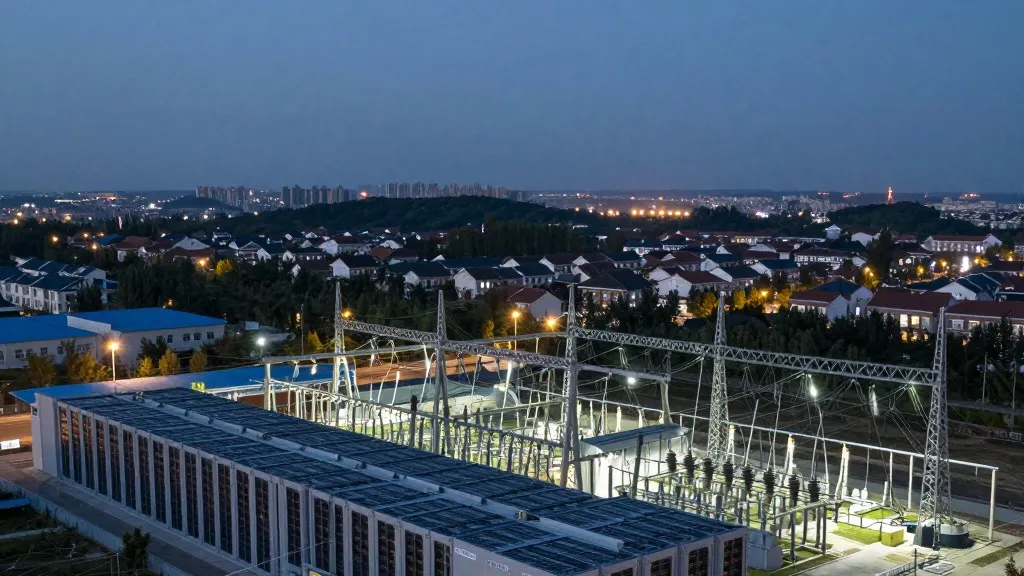
President Donald Trump announced on October 21, 2026, that artificial intelligence data centers will be required to pay dividends to local communities in an effort to prevent electricity costs from rising or even to drive them down. The directive, shared via a post on Truth Social, expands on previous administration requirements for these facilities to generate their own power, adding a mandate to give or sell any surplus energy back to the local grid.
The move arrives amid growing pushback from towns across the United States regarding the construction of massive AI infrastructure. Local residents have organized protests against these developments, citing noise pollution, water shortages, air quality concerns, and deforestation as primary grievances. Rising electricity costs have been a specific point of contention, with communities arguing they should not subsidize the power demands of private technology firms.
The Trump administration views this policy as a means to resolve those local conflicts while maintaining a competitive edge against China in the global AI race. By addressing the economic impact of power consumption, the administration hopes to facilitate the rapid construction of new facilities. A recently passed act also mandates that data centers shoulder the cost for grid upgrades, ensuring those expenses do not come from local community taxes.
The President indicated that financial incentives are key to securing local approval for these projects. "Data Centers that were highly unpopular in a certain area have become extremely popular when a financial deal is struck," Trump stated. He closed the post with the directive: "MAKE DEALS, and get them built!!!"
Whether these financial arrangements will be sufficient to overcome local opposition remains to be seen. Beyond the financial aspect, the physical footprint of these facilities continues to pose challenges regarding enormous water consumption, ecological damage, and pollution, which remain significant hurdles for approval in many regions.
Source: Tom's Hardware · original report published
More Business · Rip-Off Report · Report a business · Got a Story?