57 Million Early Votes Set Stage for Tight Turnout Battle
With polls open, both parties stake their campaigns on getting voters to the polls, citing distinct economic anxieties and hopes for change.
By Rahul Garnier ·

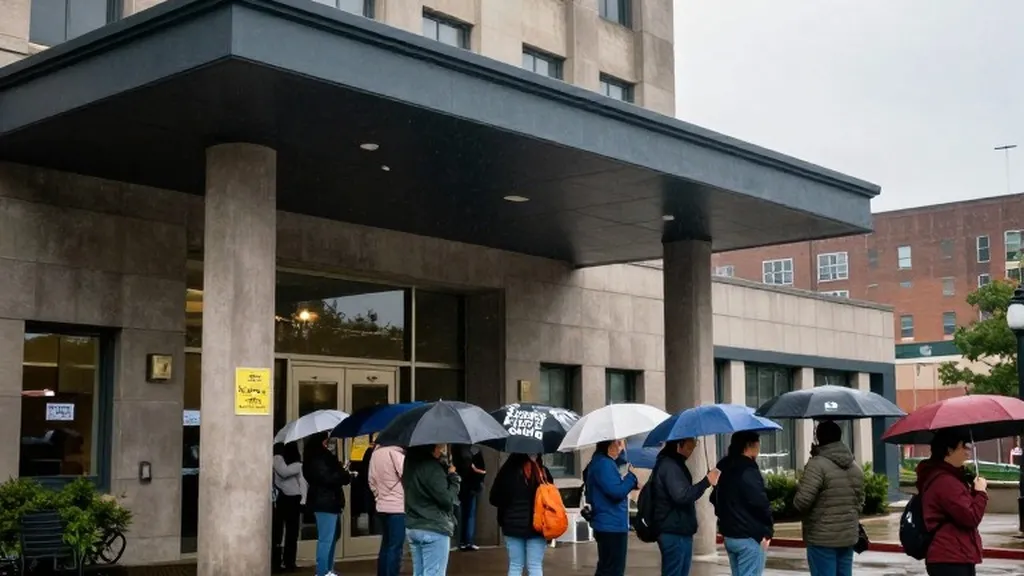
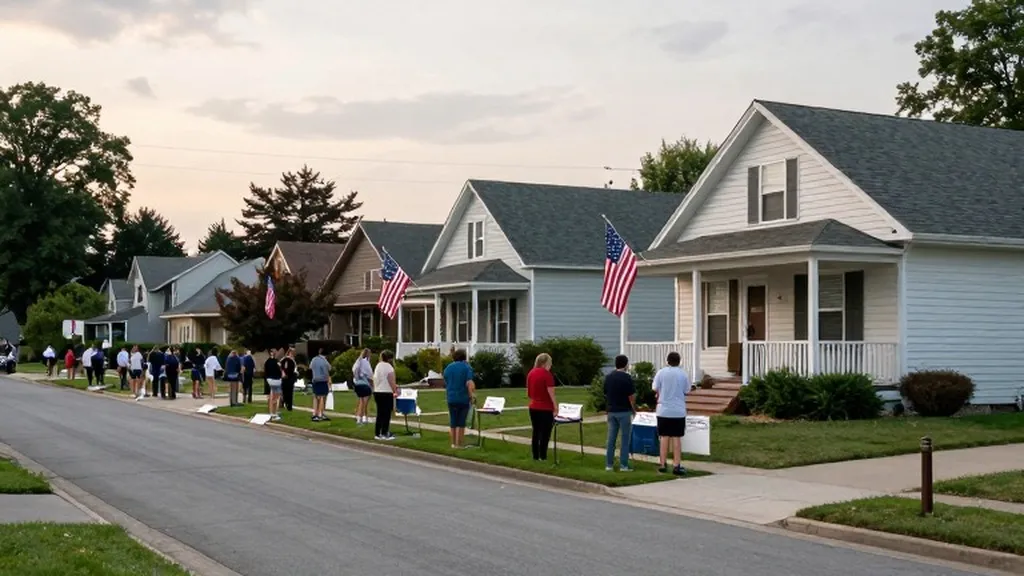
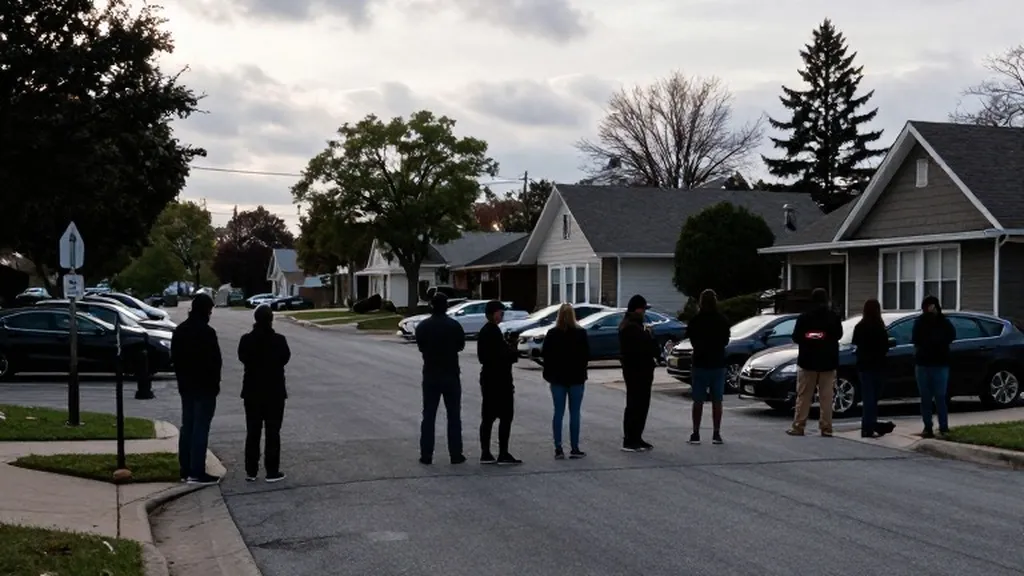
More than 57 million Americans had already cast their ballots before polls opened on Election Day, a figure that surpasses the early vote totals from four years ago in many closely watched states. This surge in early participation has set the tone for a midterm election that the Associated Press describes as a referendum on President Donald Trump's second term. Voters across the country are currently deciding who will control Congress for the final two years of the president's term, with all 435 House seats and 35 Senate seats up for grabs. The high number of early votes suggests a high level of engagement, yet the final outcome remains uncertain as polls are still open in every state.
Both political parties are making their final pitches to voters with a heavy emphasis on turnout as the decisive factor. Republican National Committee Chairman Joe Gruters stated that everything depends on turnout, asserting that if Republicans turn out their voters, they will win, and that this is what they have been planning for. On the other side, Democratic Congressional Campaign Committee Chair Rep. Suzan DelBene emphasized that the American people are angry and want change. These quotes highlight the strategic focus of the ground game, where getting supporters to the polls is viewed as the primary path to victory in both chambers.
The economic climate is a central driver of voter sentiment, with the Associated Press noting that voters are struggling with high prices and are angry over an unpopular war with Iran. AP-NORC polling indicates that only 35 percent of U.S. adults approve of Trump's job performance, and just 25 percent approve of his handling of the economy. About seven in ten Americans say the country is heading in the wrong direction, and most blame the president for high prices. This economic anxiety is palpable in polling places and at rallies, shaping the narrative of the day's voting behavior.
In Salina, Kansas, President Trump held his final rally of the week, telling supporters to pretend he was on the ballot. His schedule included stops in Mississippi, South Carolina, and Texas, where he sought to energize the base. However, many Republican candidates kept a distance from the president, reflecting a complex dynamic within the party. Despite this, the Republican administration has continued to make claims about voting fraud, including assertions that noncitizens vote in large numbers. The administration has sued in Alaska and California, and Democrats fear interference and intimidation as the Justice Department threatens to prosecute local election officials.
The financial stakes of the 2026 elections are also unprecedented, with the contests likely to be the most expensive in history. Republican committees outraised and outspent their Democratic counterparts, aided by Trump-affiliated groups and Elon Musk. At the candidate level, however, Democrats outraised their opponents. According to AP analysis of AdImpact data, 88.1 percent of Republican general election TV ad spending went to states and districts Trump won in 2024, including more than 850 million dollars in areas where he won by 10 points or more. This spending strategy reflects a focus on defending key districts rather than attacking strongholds.
Voters are expressing their views directly, with Mark Barker of Palm Beach Gardens, Florida, saying he has been following Trump the whole time and thinks he is doing an awesome job. In contrast, James Moore, a 57-year-old librarian in Raleigh, North Carolina, stated that he is paying more taxes, more for healthcare, and more for everything. These individual perspectives mirror the broader national debate, where economic hardship and political ideology intersect. The U.S. Postal Service has added hours, staff, and special lines to ensure mail ballots are counted on time, addressing logistical concerns as the final votes are tallied.
The Senate race is particularly tight, with 13 battleground races identified by Ballotpedia. Key matchups include North Carolina, where former Governor Roy Cooper faces Michael Whatley, and Georgia, where Senator Jon Ossoff runs against Representative Mike Collins. In Ohio, former Senator Sherrod Brown challenges Senator Jon Husted, while in Michigan, former Representative Mike Rogers faces Abdul El-Sayed. The AP notes that economic strain and tariffs have made states like Maine competitive, where Senator Susan Collins faces Troy Jackson. These races are crucial because Democrats need a net gain of four seats for a majority, while Republicans can lose only two.
Governor races also play a significant role in the national picture, with 36 governorships on the ballot. Democrats aim to hold a majority of governorships for the first time in two decades, a goal they have not achieved since 2010. The AP identifies Texas, Florida, and Iowa as competitive governor races, while Democrats defend five governorships in states Trump won in 2024. Republicans, meanwhile, defend two governorships in states Harris won. The outcome of these races could influence the overall balance of power in state legislatures and executive branches across the country.
As polls close, the focus shifts to the administration of the election. A federal judge temporarily barred the Trump administration from carrying out a plan to prevent noncitizen voting, a move critics say risks disenfranchising eligible voters. Another judge ordered the administration to stop demanding that California election officials segregate ballots cast by people on lists of suspected noncitizens. These legal actions add a layer of complexity to the election day process, as election officials work to ensure that every eligible vote is counted accurately and efficiently.
Wall Street is also watching the results, as Reuters notes that the outcomes could add to investor concerns about AI spending and debt ceiling negotiations. The control of Congress will have immediate implications for fiscal policy and government operations. If Democrats win even one chamber, investigations and possible impeachment proceedings become likely, with House Democratic Leader Hakeem Jeffries outlining a 100-day agenda on the cost of living and oversight. The stakes are high, and the final vote count will determine the direction of the country for the next two years.