Economy tops ballot as AP data shows price worries driving voters
Polling indicates cost of living is the primary concern for Americans heading to the polls on Tuesday.
By Sarah Ross ·
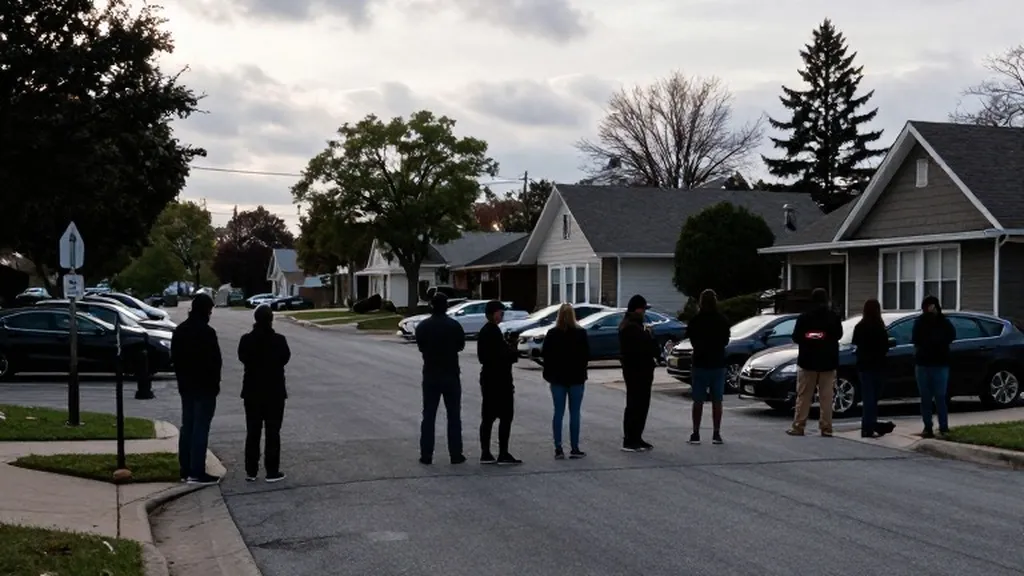
Voters across the United States are heading to the polls on Tuesday, November 3, 2026, with the cost of living dominating their decision-making process. The Associated Press describes the midterm election as a referendum on President Donald Trump's second term, noting that many citizens are struggling with high prices. This economic anxiety has become the central theme of the campaign, overshadowing other policy debates in both Republican and Democratic messaging.
Recent polling from the Associated Press and NORC provides a clear picture of this sentiment. Approximately seven in ten U.S. adults say the country is heading in the wrong direction. A significant portion of this dissatisfaction is directed at the president's handling of the economy. Only twenty-five percent of adults approve of his economic management, while thirty-five percent approve of his overall job performance. Most respondents in this poll blamed the president for the current high prices.
The tangible impact of these economic trends is visible in the daily lives of voters in key battleground states. In Raleigh, North Carolina, James Moore, a fifty-seven-year-old librarian, expressed frustration over the rising cost of essentials. He stated that he is paying more taxes, more for healthcare, and more for everything else. His comments reflect a broader sentiment among independents and swing voters who feel the financial pressure of the current economic climate is intensifying.
In contrast, voters in Palm Beach Gardens, Florida, presented a different perspective. Mark Barker, a voter in that community, indicated that he has been following the president's actions closely. Barker believes the president is doing an awesome job, suggesting that some voters view the economic situation as stable or improving. This divergence highlights the split in the electorate, with some feeling the strain of tariffs and inflation while others remain confident in the administration's direction.
The Associated Press notes that the election is also being framed by anger over an unpopular war with Iran. This foreign policy issue has added to the domestic economic concerns for many voters. The combination of high prices and this conflict has created a challenging environment for the president's political party. Republicans are bracing for the possibility of losing the House of Representatives, while Democrats have expressed cautious optimism about their chances for gaining ground.
In the House of Representatives, all four hundred thirty-five seats are up for election. Democrats currently hold two hundred fourteen seats, while Republicans hold two hundred eighteen. To secure a majority, Democrats need a net gain of three districts. Republicans can afford to lose no more than two seats to maintain their current control. Ballotpedia has identified forty-six battleground districts, with twenty-five held by Democrats and twenty-one by Republicans. These competitive races will likely hinge on local economic conditions and national sentiment regarding prices.
The Senate race is equally pivotal, with thirty-five seats on the ballot. Republicans hold fifty-three seats, while Democrats hold forty-five, plus two independents who caucus with the minority. Democrats need a net gain of four seats to take control of the chamber. Several key Senate races, including those in Georgia, Michigan, and North Carolina, are closely watched. In Maine, the Associated Press reports that economic strain and tariffs have made the state highly competitive, with the race between Senator Susan Collins and Troy Jackson seen as a toss-up by major rating agencies.
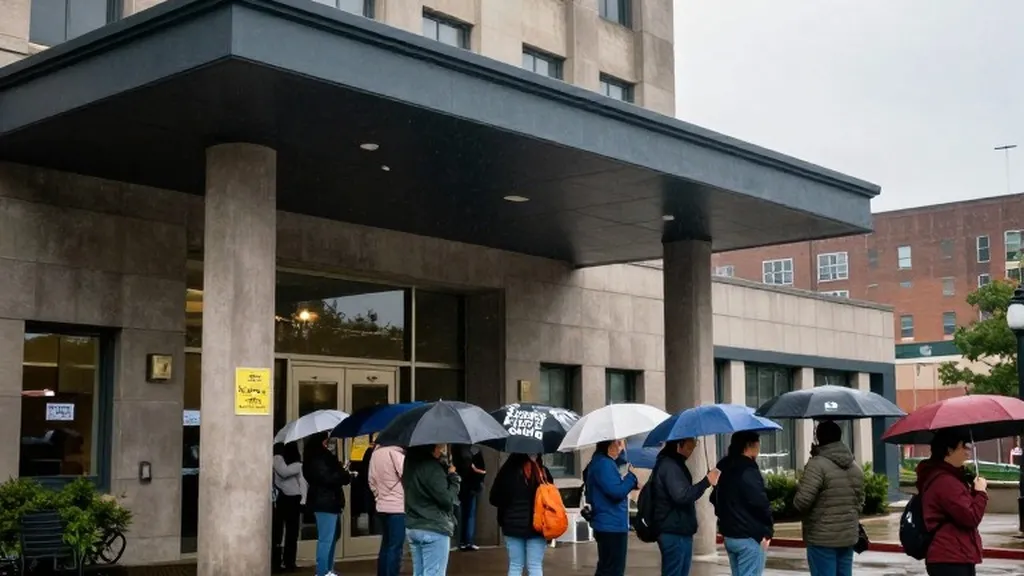
Election administrators are preparing for a high turnout, with more than fifty-seven million people having already voted as of Monday. This figure surpasses the early vote totals from four years ago in many closely watched states. The U.S. Postal Service has added extra hours and staff to ensure that mail ballots are counted on time. A federal judge temporarily barred the Trump administration from implementing a plan to prevent noncitizen voting, a move that critics said could risk disenfranchising eligible voters. This legal development adds another layer of complexity to an election already defined by economic concerns.
The financial stakes of the election are also significant for Wall Street. Reuters reports that investors are watching the results closely, as the outcome could influence concerns about artificial intelligence spending and debt ceiling negotiations. The most expensive election in history is unfolding, with Republican committees outspending their Democratic counterparts at the committee level. However, at the candidate level, Democrats have outraised their opponents. This spending disparity underscores the high stakes involved in determining who will control Congress for the next two years.
As polls open across the country, voters are weighing their options with a clear focus on their wallets. The Associated Press notes that one or two seats could tip the balance in either chamber, making every vote count. The outcome will determine whether the president's party can maintain its grip on power or if a shift in control will lead to new investigations and oversight. For now, the focus remains on the prices at the grocery store and the cost of healthcare, issues that have driven the national conversation leading up to this decisive Tuesday.