Ten Senate Races Define the Midterm Power Struggle
Voters in states from Alaska to Texas decide the balance of power in the U.S. Senate amid intense campaigning and high stakes.
By Katherine Diallo ·

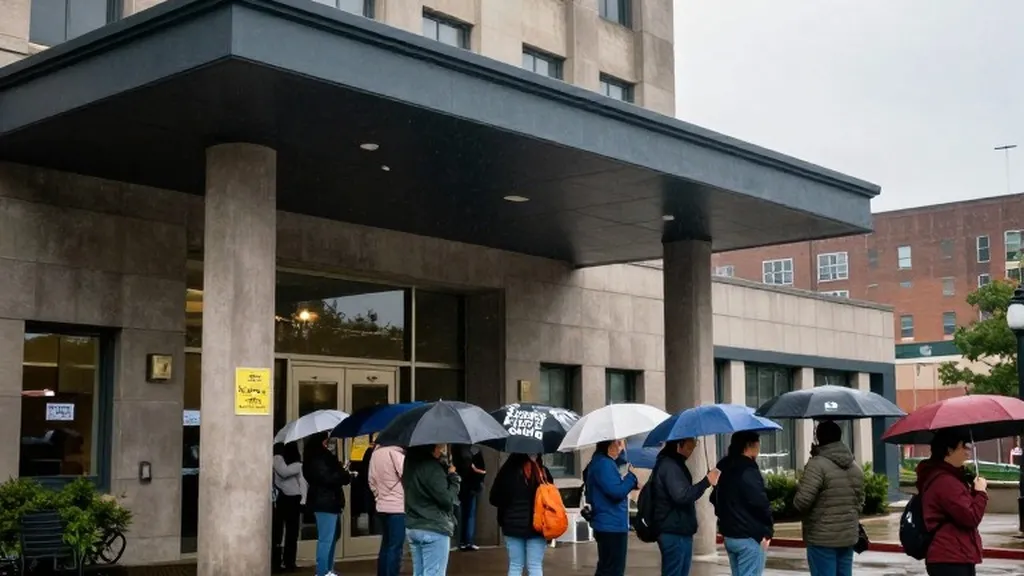
Election Day is here for the 2026 midterm cycle, with voters heading to the polls to determine the composition of Congress for the final two years of President Donald Trump's second term. The Associated Press notes that the election serves as a referendum on the president's performance, with many citizens expressing frustration over high prices and an unpopular war with Iran. As polls open across the nation, the focus shifts to ten specific Senate matchups that are likely to decide which party controls the chamber. These races are pivotal because Democrats need a net gain of four seats to secure a majority, while Republicans can afford to lose only two seats to maintain their current advantage.
In North Carolina, the race is between Democratic former Governor Roy Cooper and former Republican National Committee chair Michael Whatley. The seat is open because Senator Thom Tillis retired after clashing with Trump. The state voted for Trump by 3.3 percentage points in 2024, making it a competitive battleground. In Georgia, Senator Jon Ossoff faces Republican Representative Mike Collins. This race is rated as leaning or likely Democratic by major forecasting groups. The state voted for Trump by a narrow 2.2 percentage points in the previous presidential election, indicating a closely divided electorate.
Ohio presents a special election where Democratic former Senator Sherrod Brown challenges incumbent Republican Senator Jon Husted. The state voted for Trump by 11.2 percentage points in 2024. In Michigan, the race is between Republican former Representative Mike Rogers and Democrat Abdul El-Sayed. This seat is open due to the retirement of Senator Gary Peters. Notably, El-Sayed's former primary opponent, Haley Stevens, endorsed Rogers on Sunday. The state voted for Trump by a slim 1.4 percentage points in 2024, and race ratings suggest a toss-up or lean toward the Democrats.
Texas features a contest between Republican Attorney General Ken Paxton and Democrat James Talarico. President Trump backed Paxton over Senator John Cornyn in the primary. The state voted for Trump by 13.6 percentage points in 2024. In Maine, Senator Susan Collins runs against Democratic former state Senate President Troy Jackson. The Associated Press highlights that economic strain and tariffs have made this state competitive. Maine voted for Kamala Harris by 6.9 percentage points in 2024, and all four major race ratings classify this contest as a toss-up.
New Hampshire offers a choice between Democratic Representative Chris Pappas and former Republican Senator John E. Sununu for the seat vacated by retiring Senator Jeanne Shaheen. The state voted for Harris by 2.8 percentage points in 2024. In Minnesota, Democratic Lieutenant Governor Peggy Flanagan and Republican Michele Tafoya, a former sports broadcaster, are among four candidates competing for the seat of retiring Senator Tina Smith. The state is not listed in the specific 2024 presidential margin data in the brief but is a key target for Democrats seeking to flip seats.
Kansas has become central to the fight for Senate control despite being a reliably Republican state. The race involves incumbent Republican Senator Roger Marshall. The state voted for Trump by 16.2 percentage points in 2024, yet race ratings suggest a toss-up to lean Republican outcome. In Alaska, the race is complicated by a lawsuit filed by the Trump administration regarding the certification of the Senate result. The contest is rated as a toss-up to lean Democratic, despite the state voting for Trump by 13.1 percentage points in 2024. The administration's legal actions have added a layer of complexity to the administration of this race.
Voters in these ten states are weighing their choices against a backdrop of high inflation and political polarization. The Associated Press reports that 35 percent of U.S. adults approve of Trump's job performance, while about seven in 10 say the country is heading in the wrong direction. More than 57 million people had already voted as of Monday, surpassing early vote totals from four years ago in many closely watched states. This high level of early voting suggests a robust turnout that could influence the final outcome in these tight races.
The financial aspect of the campaign is also significant, with the 2026 elections likely to be the most expensive in history. Republican committees outraised and outspent Democratic committees, aided by Trump-affiliated groups and Elon Musk. However, at the candidate level, Democrats outraised their opponents. The distribution of spending is uneven, with 88.1 percent of Republican general election TV ad spending directed to states and districts Trump won in 2024. This strategy reflects the party's focus on defending its base while attempting to expand its reach in competitive areas.
Political leaders from both parties are urging their supporters to turn out in high numbers. RNC Chairman Joe Gruters stated that everything depends on turnout, asserting that if they turn out their voters, they win. DCCC Chair Representative Suzan DelBene countered that the American people are angry and want change. These statements capture the divergent strategies and moods within each party as they seek to capitalize on voter sentiment. The outcome of these ten Senate races will have immediate implications for legislative control and the broader political landscape for the next two years.
As polls close in the evening, the focus will shift to the counting of votes and the potential for recounts or legal challenges, particularly in states like Alaska and California where election administration issues have arisen. A federal judge temporarily barred the Trump administration from carrying out a plan to prevent noncitizen voting, a move critics say risks disenfranchising eligible voters. The U.S. Postal Service has added hours and staff to ensure mail ballots are counted on time. The results of these ten Senate races will be a key indicator of the direction of American politics in the latter half of President Trump's term.