Iran War Shapes Midterm Stakes as Voters Weigh Economic Costs
With polls open, voters weigh the economic impact of the Iran conflict against domestic priorities in a decisive midterm vote.
By Rahul Garnier ·

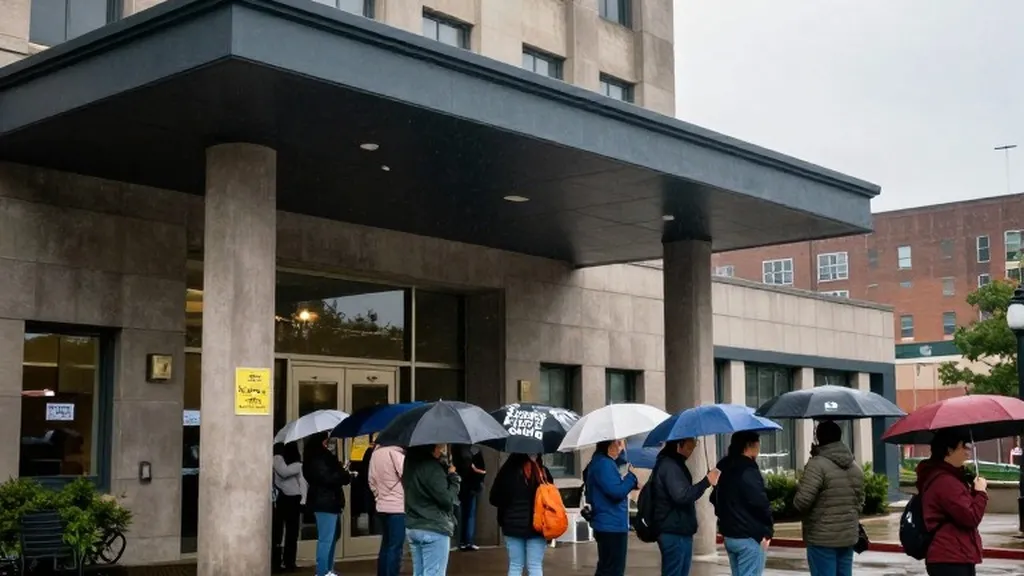
On Election Day 2026, voters in the United States are casting ballots in a midterm contest that has become a direct referendum on President Donald Trump's second term. The Associated Press notes that many Americans are struggling with high prices and expressing anger over an unpopular war with Iran. This conflict has moved from the background of foreign policy to the center of the domestic debate, influencing how voters view the administration's effectiveness.
The war with Iran is a central theme in campaign messaging for both parties. Republicans argue that the administration's actions are necessary to secure regional stability and protect American interests. They point to the military's readiness and the strategic positioning of forces as evidence of a strong hand. In contrast, Democrats highlight the cost and duration of the conflict, arguing that it diverts resources from domestic issues like the economy and healthcare. They frame the war as a distraction from the administration's handling of inflation and daily life costs.
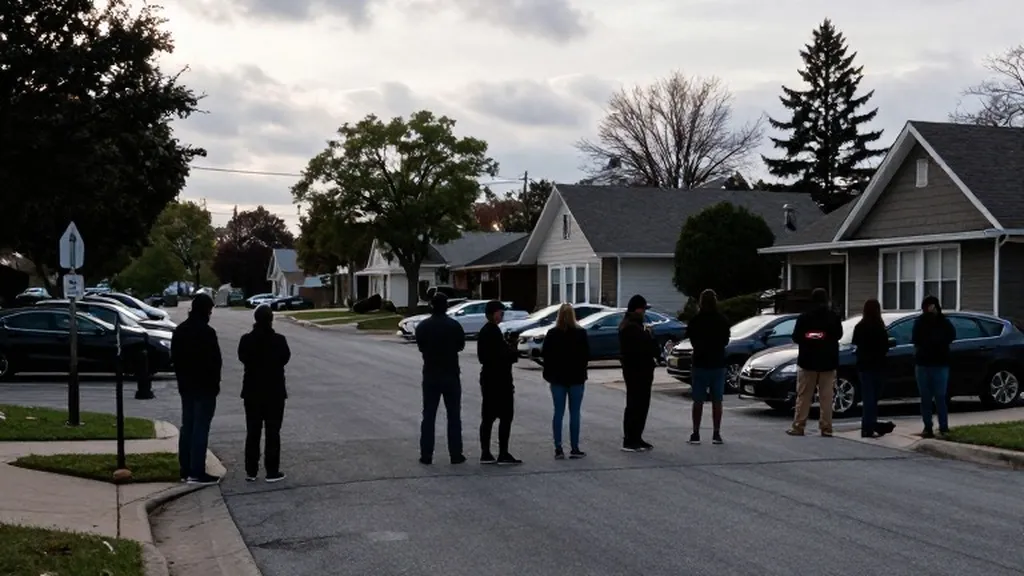
AP-NORC polling indicates that 35% of U.S. adults approve of President Trump's job performance, while only 25% approve of his handling of the economy. About seven in ten Americans say the country is heading in the wrong direction, with most blaming the president for high prices. The war adds to this pressure, as voters weigh the geopolitical risks against the tangible economic burdens they face at home. This sentiment is reflected in the high early vote totals, with more than 57 million people having already voted as of Monday.
Republican leaders are bracing for the possibility of losing control of the House, a common trend in midterm elections. RNC Chairman Joe Gruters stated that everything depends on turnout and that the party has planned for this outcome. He emphasized the need to mobilize their base to counter the narrative of economic dissatisfaction. Meanwhile, DCCC Chair Rep. Suzan DelBene described the American people as angry and wanting change. She argued that the war and economic strain provide a clear mandate for a Democratic takeover of at least one chamber.
The outcome of the Senate race is equally critical, with 35 seats up for election. Democrats need a net gain of four seats to achieve a majority, while Republicans can afford to lose only two. Ballotpedia identifies 13 Senate races as battlegrounds, including states like Georgia, Michigan, and Pennsylvania. In these states, the war with Iran has been a frequent topic in debates and advertisements. Candidates have had to address the administration's military strategy while also campaigning on local issues like housing and healthcare.
Voters in key states are weighing these national issues against local concerns. In Pennsylvania, Democratic Governor Josh Shapiro is defending his seat in a state that President Trump won in 2024. Republicans argue that the war demonstrates leadership, while Democrats suggest that the focus on Iran has neglected the needs of American workers. In Ohio, where a special Senate election is being held, the race between former Sen. Sherrod Brown and Sen. Jon Husted has featured heated exchanges on the war's necessity and cost.
The administration has faced criticism for its handling of the war, with opponents claiming it lacks a clear exit strategy. Supporters counter that the administration is acting decisively to prevent further escalation. This debate has influenced the spending patterns of political committees, with Republican groups outspending Democrats at the committee level. However, at the candidate level, Democrats have outraised their opponents, suggesting strong grassroots support for their message on the war and economy.
Voter Mark Barker of Palm Beach Gardens, Florida, said he has been following Trump closely and thinks he is doing an awesome job. He cited the administration's handling of the Iran conflict as a sign of strength. On the other hand, James Moore, a librarian in Raleigh, North Carolina, noted that he is paying more for healthcare and taxes. He believes the war is contributing to these rising costs and supports the Democratic candidates who promise to prioritize domestic issues.
If Democrats win control of even one chamber of Congress, investigations and possible impeachment proceedings are likely to follow. House Democratic Leader Hakeem Jeffries has outlined a 100-day agenda focusing on the cost of living and oversight of the executive branch. A strong Democratic performance could also boost the profiles of potential 2028 candidates like Gavin Newsom and JB Pritzker. For Republicans, holding the Senate would be a significant victory that could limit the opposition's ability to block legislation.
The election results will also have implications for the ongoing war with Iran. A divided government could lead to more checks and balances on military decisions, while a unified Republican government might provide the president with broader latitude. Voters are aware that their choices today will shape the legislative landscape for the next two years, a period that will include critical decisions regarding the conflict and its aftermath. The polls are open, and the final outcome will determine the balance of power in Washington.
According to Ballotpedia, the results will decide who controls Congress for the remainder of President Trump's term. The stakes are high, with both parties claiming that the election will define the direction of the country. As polls close across the nation, the focus shifts to the counting of votes and the final tally of seats. The war with Iran remains a pivotal factor in this decisive moment for American politics.