Michigan voters cite gas and groceries over campaign noise
As presidential rhetoric intensifies, residents in Ann Arbor and Detroit report feeling exhausted by the election cycle and reluctant to discuss their choices.
By Rahul Garnier ·
The gap between campaign messaging and voter priorities is widening in Michigan.
President Donald Trump is attacking Senate candidate Abdul El-Sayed with increasing personal intensity, including labeling him a "jihadist" during campaign stops. However, reporters on the ground say this heated rhetoric does not match the primary concerns of the people they are interviewing. Instead, voters are focused on the cost of living, specifically the prices of gas, groceries, and health care.
NPR correspondent Michel Martin, reporting from Ann Arbor, told host Steve Inskeep that local journalists confirmed everyday expenses are the top of mind for residents. Martin stated that the individuals she spoke with expressed a deep sense of burnout regarding the political process. She noted that many voters are tired of the noise and are simply trying to get through the election.
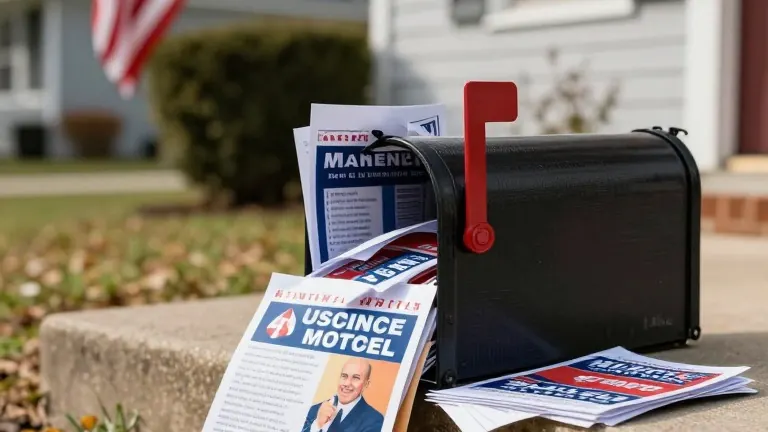
This exhaustion is visible in daily habits. Martin observed people discarding large stacks of political mailers. One woman told Martin she had already cast an early vote primarily to end the process quickly. The weariness extends to dissatisfaction with the political structure itself. At a University of Michigan football tailgate, a man named Nick Janosi said he plans to support El-Sayed but wishes there were more independent options that blend the best of both parties.
A similar frustration appeared at a Detroit Lions tailgate. Josh Snell said he likely supports Republican candidate Mike Rogers, citing his opposition to Trump's Canadian tariffs. However, Snell also expressed fatigue with the two-party system. He noted that many people are afraid to speak openly about their views because of the violence associated with the current political climate.
Martin described this reluctance to discuss politics as the worst she has seen in Michigan. The hesitation appeared on both sides of the aisle. In Ann Arbor, Martin found more people willing to speak openly about supporting El-Sayed. She could not determine if this openness reflected greater enthusiasm for the Democrat or a quiet reluctance among Rogers supporters to speak up. Inskeep noted he saw similar behavior in North Carolina, where voters often avoided naming Trump directly.
The data from these on-the-ground reports suggests that while national rhetoric escalates, local voters are prioritizing economic stability and seeking a break from the partisan conflict.
Source: NPR