Record spending reshapes 2026 midterms as parties diverge on ad buys
Republican committees outspent Democrats by a wide margin, but the money flowed disproportionately to solid red states while Democratic candidates raised more cash.
By Sarah Ross ·
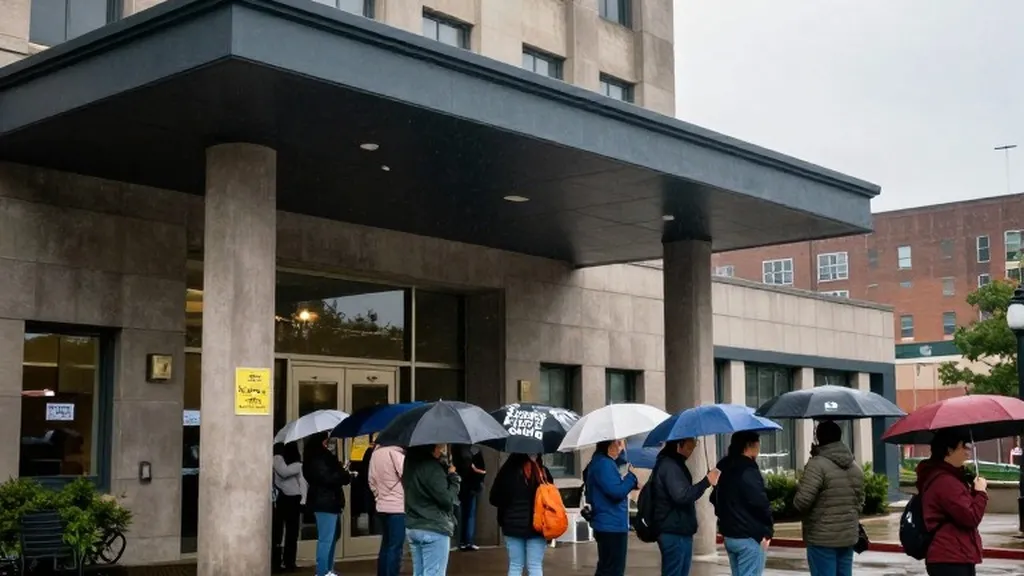
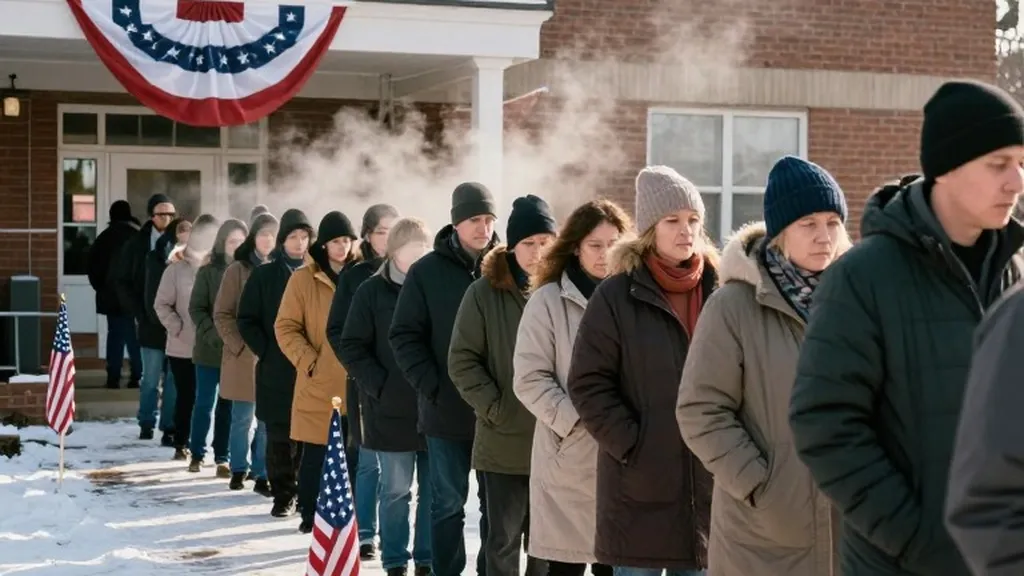
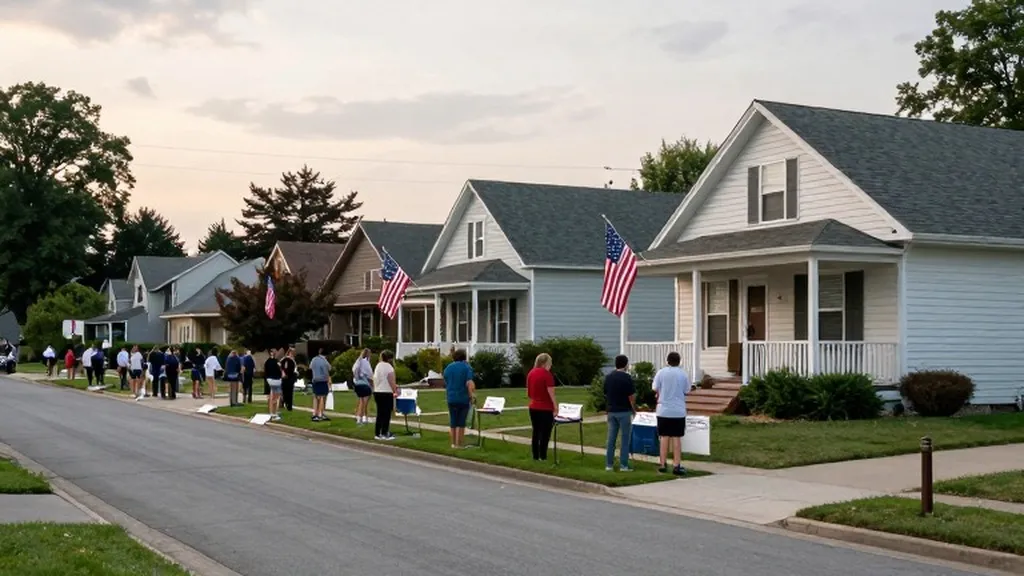
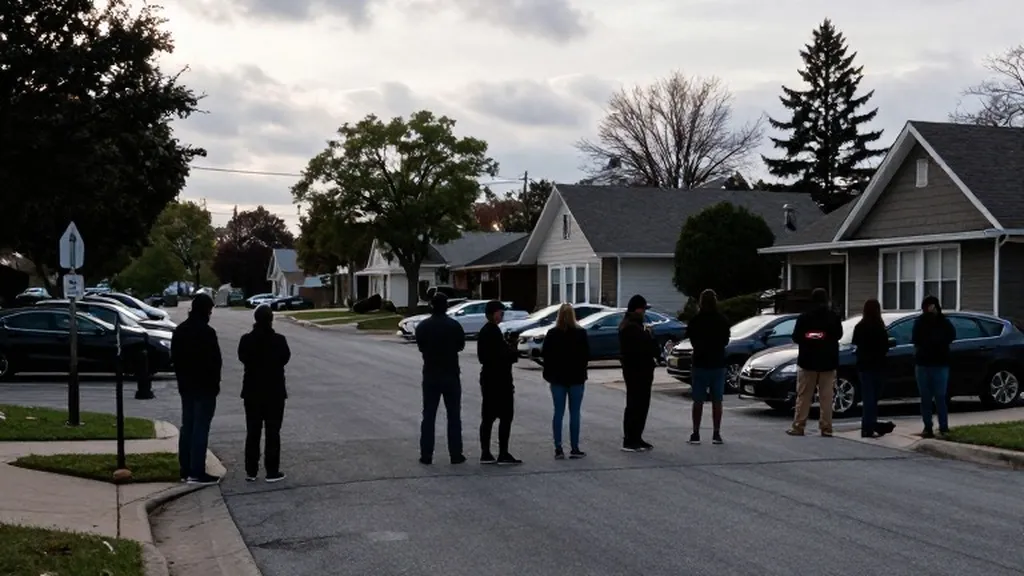
As polls open across the nation on Election Day, the 2026 midterm campaign is shaping up to be the most expensive in American history. The Associated Press reports that total spending is expected to shatter previous records, driven by a surge in advertising and direct mail. This financial intensity reflects the high stakes of the election, which will determine control of Congress for the final two years of President Donald Trump's second term. All 435 House seats and 35 Senate seats are on the ballot, creating a vast battlefield for both parties.
The distribution of that money reveals a stark strategic divide between the two parties. According to an Associated Press analysis of AdImpact data, 88.1 percent of Republican general election television ad spending went to states and districts that Donald Trump won in 2024. This includes more than $850 million in advertising spent in areas where the president won by 10 points or more. This strategy aligns with the Republican goal of holding the Senate, where they currently hold 53 seats and can lose only two to maintain their majority.
Republican committees outraised and outspent their Democratic counterparts at the committee level, a dynamic fueled by contributions from Elon Musk and other Trump-affiliated groups. RNC Chairman Joe Gruters emphasized the importance of this financial machinery, stating that everything depends on turnout. He argued that if the party turns out its voters, they will win, a sentiment that underpins the heavy investment in red states where the margin of victory is already secure. The party is bracing for a potential loss in the House but fighting to keep the Senate.
In contrast, Democrats have focused their candidate-level fundraising efforts on competitive districts. At the candidate level, Democrats outraised their opponents, according to the Associated Press. This approach supports their need for a net gain of three House districts to secure a majority, a target that is significantly harder than the Republican Senate goal. DCCC Chair Rep. Suzan DelBene described the mood among Democratic supporters as cautious optimism, noting that the American people are angry and want change. This anger is often directed at high prices and the ongoing war with Iran, issues that dominate voter conversations.
The disparity in spending strategies highlights the different paths to victory for each party. Republicans are consolidating their base in areas where Trump performed well, using money to reinforce existing loyalties. Democrats are investing in narrow margins, trying to flip seats in states that voted for the president in 2024 but remain competitive in 2026. This split in financial strategy is evident in battleground states like Michigan, Georgia, and North Carolina, where the outcome could tip the balance of power in either chamber.
The role of billionaire Elon Musk in financing the Republican effort has been a focal point of the campaign. His contributions helped Republican committees outspend Democrats, providing a significant advantage in media markets. This influx of capital allowed Republican candidates to saturate airwaves in key districts, often targeting specific demographics. The financial edge has been a source of confidence for the GOP, which believes that high spending correlates with high turnout in their favor.
Meanwhile, Democratic fundraising has been more decentralized, relying on a broad base of smaller donors and corporate contributions. This model has allowed individual candidates to raise substantial sums, even if the party committees as a whole spent less. The focus on candidate-level spending reflects the Democratic belief that personal connections and local issues are more effective in close races. This strategy is particularly relevant in the 46 battleground House districts identified by Ballotpedia, where the outcome will likely be decided by a small percentage of voters.
The financial intensity of this election is also influencing voter perception. Many independents are noting the sheer volume of ads they are seeing, which can create a sense of urgency or fatigue. Some voters, like Mark Barker of Palm Beach Gardens, Florida, say they have been following the campaign closely and believe the president is doing an awesome job. Others, like James Moore, a librarian in Raleigh, North Carolina, feel that the cost of living is driving their vote, citing higher taxes and healthcare costs. These individual experiences are being amplified by the record spending on television and digital platforms.
As the day progresses, the impact of this spending will become clearer in the early returns. The Associated Press notes that one or two seats could tip either chamber, making the allocation of funds in these specific districts critical. The Republican strategy of protecting the Senate is being tested in states like Iowa and Kansas, where the party has spent heavily despite the states' strong lean toward Trump in 2024. The Democratic push for the House is centered on flipping the 21 Democratic-held districts that voted for Trump in 2024, a challenging but necessary goal for gaining control.
The election is also a referendum on the economic policies of the Trump administration, with 35 percent of U.S. adults approving of his job performance. The high level of spending is intended to influence this approval rating by highlighting either the successes of the administration or the challenges faced by voters. As polls close, the focus will shift to whether the record-breaking investment in advertising will translate into the desired outcomes for each party. The final numbers will reveal which strategy proved more effective in the most expensive election in history.
Voters in six states using new congressional maps after mid-decade redistricting are also weighing in on these financial battles. The new maps in California, Florida, Missouri, North Carolina, Tennessee, and Texas may alter the impact of the spending in certain districts. Republicans hoped to use redistricting to beat the typical midterm pattern of the president's party losing seats, but the new districts may not vote as drawn. The interplay between map changes and record spending will be a key factor in determining the final composition of Congress in January 2027.