Divided Government: Iran and Economy Test Trump's Final Two Years
Historian Victor Davis Hanson predicts the White House will retain foreign policy autonomy despite Democratic control of Congress, citing the nuclear program and economic performance as key legacy factors.
By Rahul Garnier ·
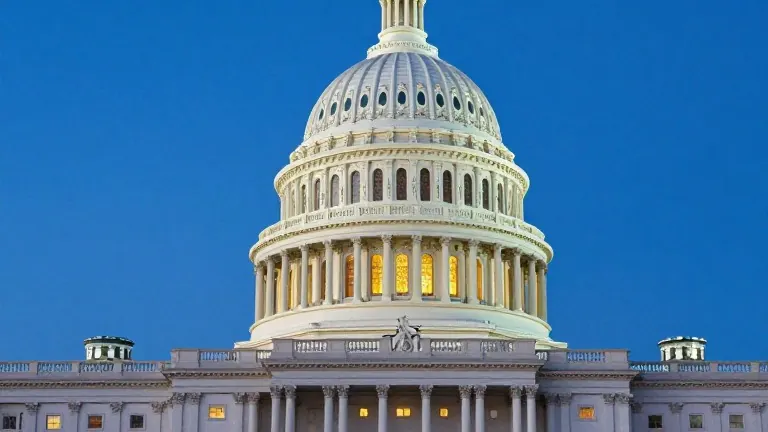
President Donald Trump retains substantial latitude to execute his foreign policy agenda for the remainder of his term, despite the Republican Party losing control of both chambers of Congress in Tuesday’s midterm elections. Victor Davis Hanson, a senior fellow at Stanford University’s Hoover Institution, argued in The Free Press on Wednesday that the next two years will be defined by the state of the economy and the status of Iran’s nuclear program.
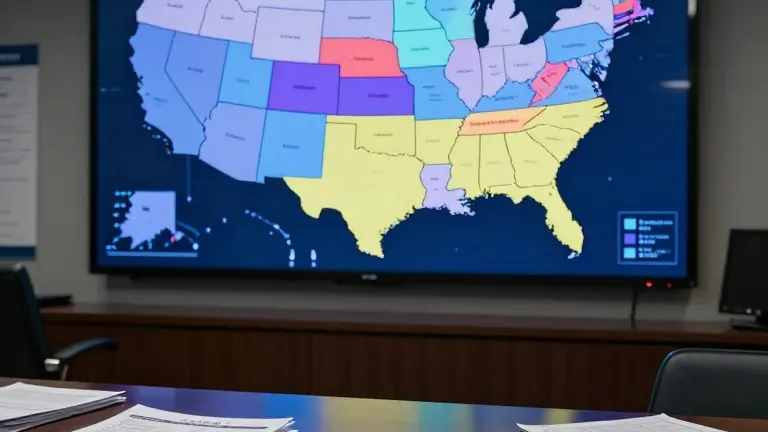
Democrats secured majorities in the House of Representatives and the Senate, with notable wins in Texas, North Carolina, Ohio, and Kansas. These new majorities take office in January, creating a divided government for the final stretch of the Trump administration. Hanson noted that while Democrats will likely block judicial and Cabinet nominations, the president can still rely on executive orders to shape domestic policy. He drew parallels to the midterm defeats experienced by Bill Clinton in 1994 and Barack Obama in 2010.
The central test for the administration, according to Hanson, is whether the economy recovers and whether the United States achieves the denuclearization of Iran quickly. “He will succeed or fail on whether the economy takes off and he achieves the denuclearization of Iran, and quickly,” Hanson wrote. This assessment aligns with reporting from Reuters, which noted that voter frustration over the cost of living and the conflict in Iran helped drive the Democratic electoral gains.
Congressional control provides Democrats with specific tools to pressure the White House. The Senate holds the authority to confirm senior administration officials and federal judges, while both chambers control federal spending. Although Democrats hold simple majorities, they face a higher threshold to override a presidential veto, which requires a two-thirds vote in each chamber. Trump accepted the election outcome and indicated a willingness to work with Democrats, though he maintained he would veto legislation he deems unacceptable.
Yonah Jeremy Bob of The Jerusalem Post analyzed the implications of this shift, arguing that Democrats could use investigations, delayed appointments, and defense budget pressures to constrain the administration’s handling of Iran. Bob urged Israel to engage directly with both the president and congressional Democrats to address security concerns. In a separate interview with The Daily Signal, Hanson predicted that Democrats might weaken their own position by overreaching, citing the political backlash against Republican efforts to remove Clinton from office as a historical example of post-victory miscalculation.
Hanson also pointed to the election of candidates he considers too far to the left, including Michigan’s Abdul El-Sayed and Texas’s James Talarico. He argued that these victories could push contenders for the Democratic presidential nomination toward more progressive positions ahead of the 2028 election cycle.
Source: The Jerusalem Post