New toothpaste studies show hydroxyapatite matches fluoride in cavity prevention
Clinical trials involving 348 participants found that hydroxyapatite toothpaste performs similarly to fluoride, though experts note the body of evidence is still small.
By Katherine Diallo ·
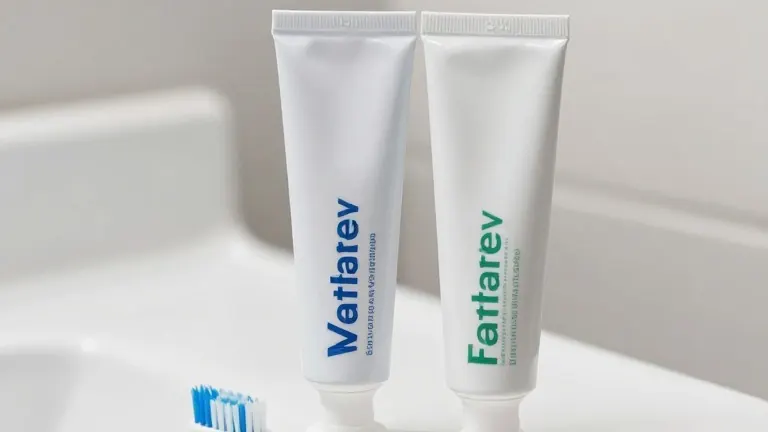
Consumers seeking alternatives to traditional toothpaste now have clinical data to consider regarding a mineral called hydroxyapatite. Recent studies indicate that toothpaste containing this ingredient offers cavity protection comparable to fluoride. For those looking to change their oral care routine, the evidence suggests the switch is viable, though it may come with a higher price tag.
The interest in hydroxyapatite has grown as more patients ask their dentists about fluoride-free options. Dr. Jin-Ho Phark, an associate professor of clinical dentistry at the University of Southern California, reports that he hears these inquiries regularly from both patients and students. Many of these patients have encountered the products through social media influencers who promote the mineral heavily. This trend follows a long history of fluoride use, which became standard in the United States after Procter & Gamble released Crest nationally in the late 1950s.
A 2021 study published in Scientific Reports tracked 177 children for nearly one year to compare the two ingredients. The researchers found that both groups experienced similar levels of tooth decay. A follow-up study published in Frontiers in Public Health in 2023 examined 171 adults over 18 months and reached a similar conclusion. Both studies received funding from Dr. Wolff Group, a German company that produces two brands of hydroxyapatite toothpaste. The participants in the adult study were mostly healthy young adults without severe oral health issues.
Dr. Bennett Amaechi, a professor of dentistry at the University of Texas at San Antonio, states that hydroxyapatite is as effective as fluoride for remineralization and preventing caries. He notes that while fluoride has extensive long-term research behind it, the early data for hydroxyapatite is positive. The mineral works by filling tiny crevices in tooth enamel, similar to how fluoride helps protect the outer layer of teeth. However, the research base is not yet as deep as it is for fluoride.
The American Dental Association acknowledges that more people are using hydroxyapatite products and that some evidence supports their ability to contribute to remineralization. Dr. Ada Cooper, a spokesperson for the ADA Consumer Advisor, wrote that the evidence regarding clinical effectiveness remains limited and ambiguous, particularly regarding specific clinical indications. The organization continues to recommend brushing twice daily for two minutes with fluoride toothpaste and flossing daily.
For patients who are open to both options, dental professionals often still recommend fluoride due to the greater volume of supporting evidence. Dr. Livia Tenuta, an associate professor at the University of Michigan School of Dentistry, says she would recommend sticking to fluoride as the best option. She noted that current studies have largely recruited participants with low caries risk, and she would like to see more long-term studies involving people at higher risk for tooth decay.
Source: WUFT