Trump Ends Methane Rules for Oil and Gas Drilling
The move eliminates the Super Emitter Program and is projected to save the industry $45 billion in compliance costs.
By Katherine Diallo ·
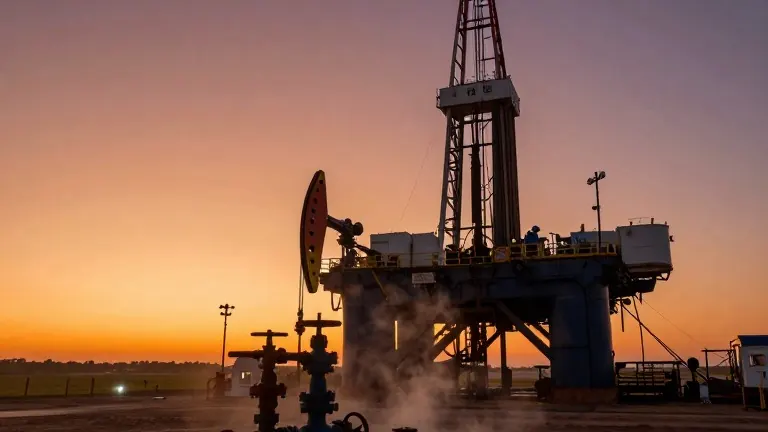
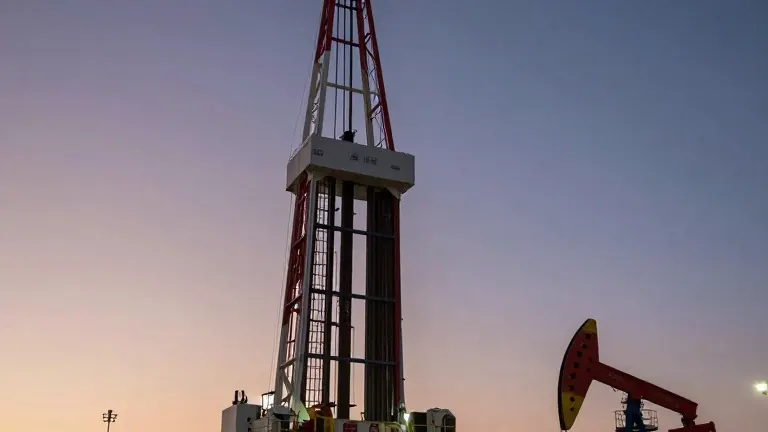
President Donald Trump announced on Tuesday that his administration is ending the Biden-era rule designed to limit methane emissions from oil and gas drilling. The decision eliminates the Environmental Protection Agency's Super Emitter Program, which required companies to investigate and repair major leaks. The agency will also apply less restrictive standards to small wells. EPA Administrator Lee Zeldin previewed the changes last month, stating they would remove what he called the most burdensome parts of the regulation.
Trump made the announcement at a campaign rally in Lubbock, Texas, supporting Republican Senate candidate Ken Paxton. He argued that the previous regulations crushed small operators and imposed high costs on the energy sector. According to the president, terminating the rules will save consumers and energy producers $45 billion in costs. He also claimed the move would unlock 210 million barrels of oil, a volume equivalent to approximately 10 days of U.S. petroleum consumption.
The policy shift aims to encourage more domestic drilling as the administration faces criticism over high fuel prices amid the ongoing war in Iran. Methane is a potent greenhouse gas, responsible for about a third of planet-warming emissions according to scientists. It is the main component of natural gas and leaks from equipment or is burned off as waste by drillers. Oil and gas operations are the largest industrial source of this gas.
The Biden rule, finalized in 2024, was designed to regulate both new and existing wells. It required operators to plug leaking methane from smaller wells, which produce only 6% of the nation's oil and gas but account for up to half of all methane emissions from these fields. Federal officials projected the rule would prevent an estimated 58 million tons of methane emissions by 2038. They also calculated that the rule would yield $98 billion in benefits by 2034, a figure based on the social costs of greenhouse gas emissions.
The rule was coordinated with a methane fee included in the 2022 climate law. This fee, known as a waste emissions charge, could have reached $1,500 per metric ton of methane for producers exceeding specific limits. It marked the first time the U.S. government directly imposed a tax on greenhouse gas emissions. Congress repealed this fee weeks after Trump took office. Zeldin has argued the rule would have cost $18 billion and held back the U.S. energy industry.
Environmental groups have criticized the rollback, arguing it allows companies to continue releasing gas that could be captured and used to provide energy to households. Fred Krupp, president of the Environmental Defense Fund, described the move as a free pass for companies at the expense of American consumers. He stated that the EPA should be fighting this waste rather than making it easier. This action is part of a broader effort by Trump and Republicans in Congress to dismantle climate policies enacted under former President Joe Biden, including lower fuel economy standards and repealed emission restrictions for power plants.
Source: WFAE
More Business · Rip-Off Report · Report a business · Got a Story?