Trump administration proposes cutting rules on methane leaks
The move would scale back a 2023 Biden-era mandate, citing lower costs for producers and fewer barriers to drilling.
By Rahul Garnier ·
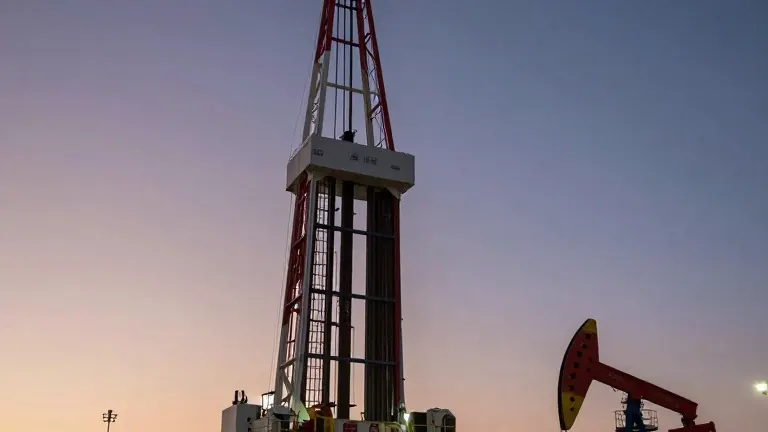
The Trump administration has proposed removing key regulations designed to limit methane emissions from oil and gas operations. The plan targets a rule finalized in 2023 under the Biden administration that required companies to monitor and reduce leaks at drilling sites across the United States. If finalized, the change would reduce the compliance burden on energy producers.
Methane is a potent greenhouse gas. It traps heat in the atmosphere at a rate estimated to be 80 times higher than carbon dioxide over a twenty-year period. The 2023 regulations aimed to curb these emissions by setting strict limits on leaks from pipelines, refineries, and drilling equipment. The current proposal seeks to reverse those requirements, citing the need to lower production costs for the industry.
President Trump announced the plan on Tuesday while campaigning in Lubbock, Texas. He stated that the revision, issued under the Clean Air Act, would save the industry billions of dollars and encourage more domestic drilling. The announcement coincides with Republican efforts to address voter concerns over high gas prices ahead of the midterm elections.
EPA Administrator Lee Zeldin defended the proposal in a press release. He argued that the previous administration’s rules targeted the workforce and the economy. Zeldin noted that millions of workers and businesses rely on the production of oil and natural gas. He described the 2023 rules as destructive to this sector.
Industry leaders welcomed the proposed rollback. Dustin Meyer, vice president at the American Petroleum Institute, said in a statement that the new approach offers greater regulatory certainty. The trade group, which represents the U.S. oil and gas industry, opposed the 2023 rules and believes the changes will support American energy production while still allowing for emissions reductions.
Environmental groups argue the rollback may increase costs for companies. Jon Goldstein, associate vice president at the Environmental Defense Fund, pointed out that methane is the primary component of natural gas. He explained that capturing more gas means companies can sell more product. This additional revenue, he said, helps offset the cost of compliance equipment and monitoring.
Goldstein added that allowing gas to leak or flare it results in lost revenue for taxpayers and producers. He described the loss of gas as a harm to energy security. He noted that the gas escaping into the atmosphere is product that could have been collected and sold.
One major component of the 2023 rules is the Methane Super Emitter Program. This program was scheduled to take effect in January 2027. It would allow the government to use data from certified third parties, such as private and nonprofit satellite programs, to identify large leaks. Methane is invisible and difficult to detect without specialized technology. Paasha Mahdavi, a political science professor at UC Santa Barbara, explained that these third parties help the government identify facilities that are breaking the law. Without this program, it will be harder for regulators to spot and prosecute large leaks.
The proposal also affects rules for low-volume or marginal oil wells. These wells are often near the end of their production life and generate less profit. The EPA plans to loosen regulations on leaks from these sites. Goldstein countered that these old wells are responsible for a large share of methane pollution in the production sector. He noted that satellite data shows these wells emit more than previously assumed.
The EPA will publish the proposed rule changes in the Federal Register. Once published, the agency will hold a public comment period of at least 45 days. This period will include a public hearing where stakeholders can provide input on the proposed changes.
Source: WUSF Public Media
More Business · Rip-Off Report · Report a business · Got a Story?