Chancellor doubles bank tax to pay for winter aid
A new six percent levy on bank profits funds a one hundred pound payment for twenty million households as economic growth slows.
By Rahul Garnier ·

The additional bank levy will double to six percent. This tax increase is designed to fund a one hundred pound payment for twenty million households in England.
Chancellor John Healey presented the measure during his first budget. The payment targets households in council tax bands A through D. The total cost of the package is two point six billion pounds. This figure includes funding for the Scottish and Welsh governments.
The government faces a difficult economic outlook. The Office for Budget Responsibility forecasts virtually no growth in household disposable income. Inflation is expected to rise to almost four percent. Economic growth for next year is projected at one percent, a half percentage point lower than previous estimates.
Healey cited global economic storms and the war in Iran as drivers of higher oil and gas prices. These factors have increased the government interest bill by fourteen billion pounds this year. The chancellor stated that the handout aims to provide breathing space during the coldest months.
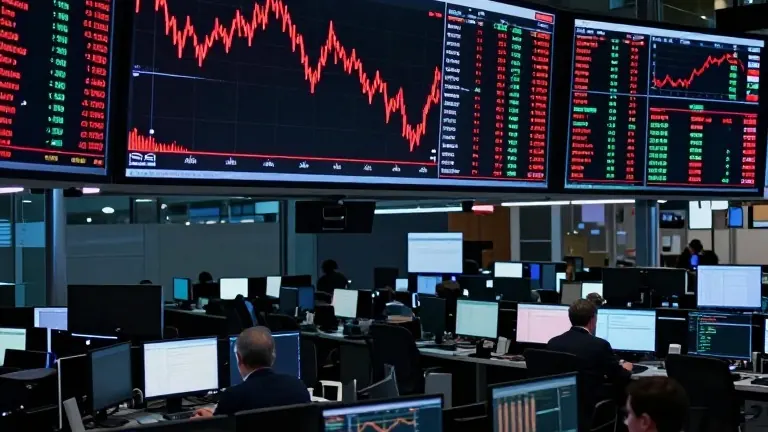
The additional bank tax will remain in effect for fifteen months. Banks' share prices rose in the FTSE 100 index on Wednesday following the announcement. The increase was less than some industry observers had feared. The higher tax on property and savings income was also announced. The Office for Budget Responsibility warned that this change could lead to a steady rise in rents by deterring landlords from the market.
The government cancelled fuel tax rises planned by former chancellor Rachel Reeves. The VAT cut on electricity prices has been extended to next summer. Business rates relief thresholds for retail, hospitality, and leisure sectors will rise from twelve thousand to eighteen thousand pounds. This change is funded by higher taxes on gambling and vape shops.
The fiscal buffer will shrink to fifteen billion pounds by the target date of 2029 to 30. This is lower than the twenty four billion pounds built up in the spring. The chancellor promised to rebuild the buffer to twenty two billion pounds by the end of the five year forecast period. The next spending review is scheduled for next year.
Prime Minister Burnham told reporters that he could rule out an early general election for at least twelve months. He said he was focused on helping people rather than party prospects. Conservative leader Kemi Badenoch argued that Britain had overspent and overtaxed. She criticized the delayed decisions on defense spending and welfare cuts.
Energy provider EDF predicts that the Ofgem price cap will increase by four hundred sixty six pounds in January. The OBR highlighted a grim picture for household finances. Real disposable household incomes are expected to be only two percent higher than pre pandemic levels by 2030 to 31.
Source: The Guardian
More Business · Rip-Off Report · Report a business · Got a Story?