Election Stress: 70% of Americans Report Anxiety Ahead of Midterms
Cardiologists warn that the uncertainty surrounding the Nov. 3 vote may trigger heart issues, while surveys show nearly seven in ten adults are feeling the strain.
By Rahul Garnier ·
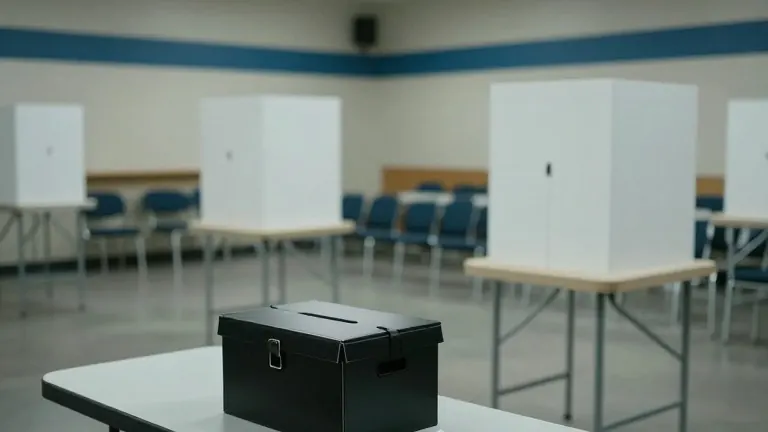
Nervousness is building across the United States as the midterms approach, with nearly seven in ten adults reporting stress or anxiety about the upcoming elections. A LifeStance Health online survey conducted in October found that 70% of Americans feel this pressure. This figure is consistent with previous election cycles, as the American Psychological Association reported that 69% of U.S. adults cited the 2024 presidential race as a major source of stress.
Medical data suggests this emotional toll has physical consequences, particularly for the heart. A study published in JAMA Network Open in April 2022 recorded higher rates of acute cardiovascular disease in the five days following the 2020 presidential election compared to the two weeks prior. Similar patterns emerged after the 2016 election. Research from 2020 and 2021 indicated spikes in cardiac arrhythmias and acute cardiovascular conditions in the days immediately after that vote. While these studies show associations rather than direct causation, the correlation between political uncertainty and heart health is clear.
Experts advise voters to prepare for the potential delay in results. Lindsey Rosman, an assistant professor of medicine at Northwestern University, noted that close races often take days to count. "Close races often take days to count," Rosman said. "That's normal, and knowing it ahead of time makes the uncertainty easier to sit with." The 2020 election is a recent example of this delay, with most news outlets waiting four days to call the race.
Dr. Megan Kamath, an advanced heart failure and transplant cardiologist at UCLA, recommends planning ahead to manage news consumption. "Decide in advance how much news you want to consume and make a plan to prioritize regular meals, movement, sleep and activities you enjoy," Kamath said. She suggested that identifying meaningful civic actions can help restore a sense of agency during the wait.
Behavioral adjustments can also mitigate physical symptoms. Ashley Huggins, a psychology professor at the University of Arizona, pointed out that exercise and social interaction help manage stress. Chris Chanyasulkit, a public health expert, offered a simpler alternative to passive consumption. "A walk beats a third hour of scrolling," Chanyasulkit said. Huggins also recommended guided breathing or progressive muscle relaxation to activate the parasympathetic nervous system, which signals the body to relax.
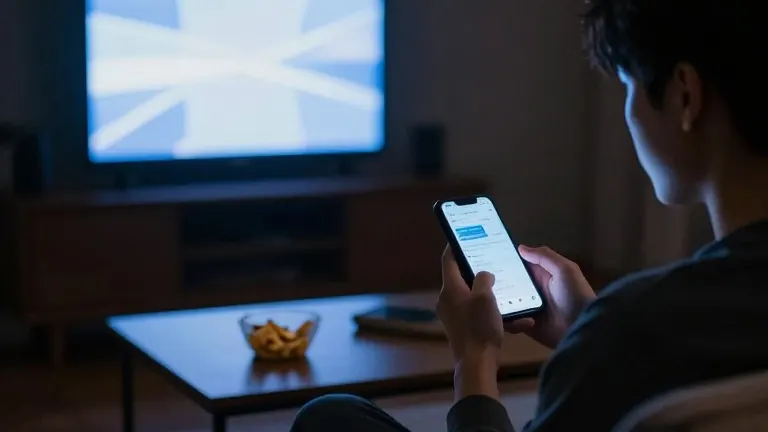
Sleep hygiene remains a primary concern for health professionals. Rosman advised patients to put screens away an hour before bed. "Refreshing all night keeps your stress response switched on and won't change the outcome," Rosman said. She added that seeing results the next morning yields the same information without the overnight physiological strain.
Finally, experts warned against reacting to misinformation that often circulates during high-stress periods. Voters are encouraged to verify claims that trigger strong emotional reactions. PolitiFact Staff Researcher Caryn Baird contributed to the reporting on these findings.
Source: WLRN