Phoenix artist resumes woodcarving after brain implant procedure
Deep brain stimulation therapy enabled Bill Daggett to stabilize his hands and return to his craft after a diagnosis of Parkinson's disease.
By Katherine Diallo ·
Bill Daggett, a woodcarver based in Phoenix, has returned to his craft following a surgical procedure to treat Parkinson's disease. The Arizona artist underwent deep brain stimulation, a therapy that uses electrical pulses to control the tremors that had previously made his work difficult.
Daggett's condition was identified after a physician observed his shaking while viewing his art at a local show. The doctor recommended a medical evaluation, which resulted in the diagnosis. The tremors had worsened to the point where basic daily tasks became challenging.
"I couldn't even eat, hardly. I was shaking so bad, and I didn't want to go out anymore. That's part of the depression. You don't want to be seen when you can't hold a fork and get it to your mouth," Daggett said.
Medication alone was insufficient to manage his symptoms, leading him to pursue the surgical option. The procedure involves implanting electrodes into specific areas of the brain. These devices send continuous electrical signals to regulate neural activity and reduce motor symptoms.
Sam Cradduck, a gerontologist who hosts the program Aging Untold, described the technology as similar to a cardiac pacemaker. He explained that just as a pacemaker maintains heart rhythm, the brain implant helps reset neural pathways. This mechanism allows the brain to reduce tremors and mitigate some side effects associated with the progression of the disease.
Cradduck noted that the procedure offers more than just physical relief for patients who have lived with the condition for years. He emphasized the impact on the emotional aspects of the illness, particularly for individuals whose identity is tied to their creative work. "We talk about the physical aspects of disease and aging all the time, but we forget to talk about the emotional loss, and that's where this guy was at. He was so connected with being the artist and being able to create, and the disease was robbing him of that," Cradduck said.
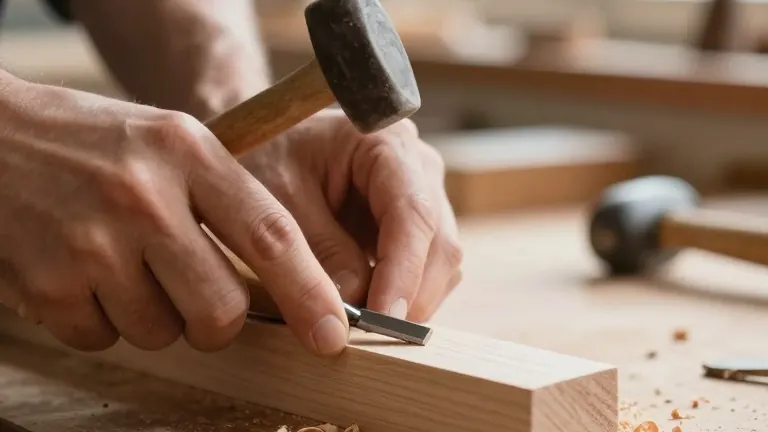
Daggett now carves with steady hands, a change that marks a return to the work he has pursued for decades.
Source: WALA-TV