
Bill Daggett returns to woodcarving after brain procedure
The Phoenix artist underwent deep brain stimulation to manage Parkinson’s disease and restore his ability to work with steady hands.
By Sarah Ross ·
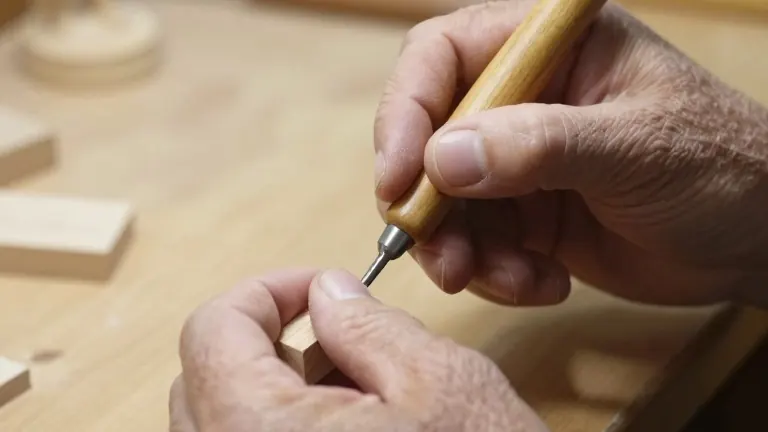
Bill Daggett, a Phoenix artist, resumed woodcarving after undergoing deep brain stimulation, a surgical procedure designed to manage the symptoms of Parkinson’s disease. The intervention involved placing electrodes in the brain to send electrical pulses that interrupt the tremors which had previously prevented him from working.
Daggett developed a passion for woodcarving decades before his diagnosis. His condition was first identified by a doctor who attended an art show where Daggett displayed his work. The physician observed the tremors in Daggett’s hands and recommended a medical evaluation, leading to a formal diagnosis of Parkinson’s disease.
In the years following the diagnosis, the physical symptoms of the disease significantly impaired Daggett’s daily life. He described a period where he could barely eat due to the intensity of his shaking. “I couldn’t even eat, hardly. I was shaking so bad, and I didn’t want to go out anymore,” Daggett said. He noted that the inability to hold a fork contributed to a depressive state that made him reluctant to be seen in public.
Medication initially treated the condition, but the effects were insufficient to control the tremors completely. Daggett then opted for deep brain stimulation as a more aggressive treatment option. The therapy works by sending electrical pulses to specific areas of the brain to stop the shaking. Since the surgery, Daggett reports that his hands are now steady enough to carve wood again.
Sam Cradduck, a gerontologist and host of “Aging Untold,” explained the mechanism of the procedure by comparing it to a cardiac pacemaker. “What they did was basically give his brain a pacemaker,” Cradduck said. He explained that while traditional pacemakers help the heart maintain rhythm, this device helps the brain reset and send electrical pulses to reduce tremors and side effects associated with the disease’s progression.
Cradduck characterized the therapy as a breakthrough for quality of life for long-term patients. He emphasized that the disease often causes emotional loss in addition to physical decline. “He was so connected with being the artist and being able to create, and the disease was robbing him of that,” Cradduck said. He added that while physical limitations are often discussed, the impact on a person's sense of self through creative expression is frequently overlooked.
Daggett is currently active in his craft following the procedure. The deep brain stimulation system continues to manage his tremors, allowing him to maintain the precision required for his woodcarving projects without the interference of involuntary shaking.
Source: WCJB