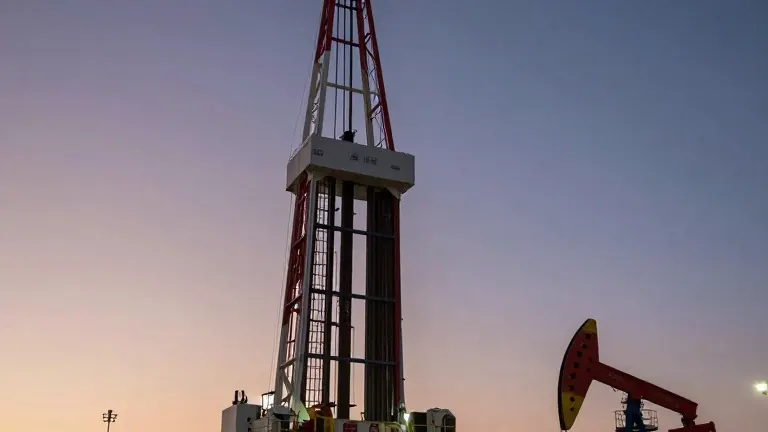
Zimplats faces community demands as Zimbabwe platinum exports hit $8.5 billion
Residents in Mhondoro-Ngezi cite a $2.6 billion jump in sector earnings, yet report inadequate infrastructure despite record mining output.
By Katherine Diallo ·
Zimbabwe’s platinum industry generated record export revenue of $8.5 billion in 2025, a $2.6 billion increase from the previous year. The sector now accounts for approximately 75 percent of the country’s total exports and 14.5 percent of its gross domestic product. This growth follows a surge in global metal prices, with platinum reaching an all-time high of $2,923 per ounce on January 26.
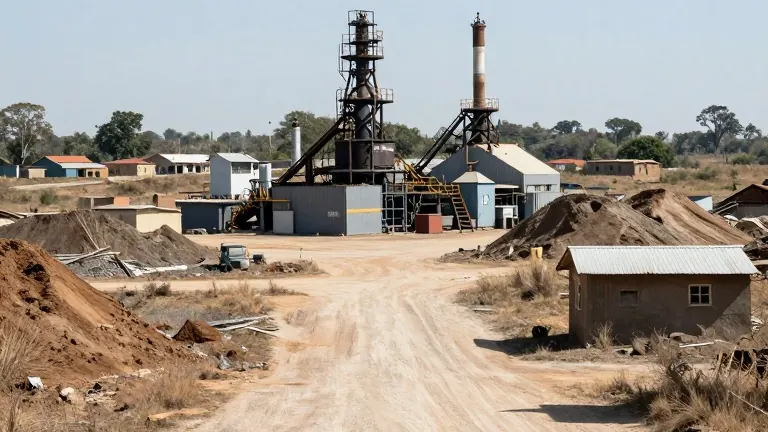
The wealth generated by these operations has not translated into improved local infrastructure for residents in key mining districts. In Mhondoro-Ngezi, a major production hub on the Great Dyke, communities are urging the Zimplats company to address gaps in roads, education, and water access. Zimplats operates mines, concentrators, and processing plants in this central region.
Ernest Denhere, the headman of Denhere village in Ward 3, called for a new road connecting Turf, Benhura, Mamina, Murambwa, and Kadhani to the Harare-Masvingo highways. He stated that the resources beneath the land require a visible return to the people living there. "We need to see a lasting legacy for our communities," he said.
Educational facilities are also under strain due to population growth linked to mining employment. Ward 3 Councillor Emmah Chikwai reported that students from several villages walk between 15 and 25 kilometers to attend Musinambi Secondary School. She requested that mining companies fund a satellite secondary school in Makwavarara. Observers noted that pupils at Turf Primary School were studying under trees as rising enrollment outpaced classroom capacity.
Economic disparities remain visible in the local environment. Near waste sites, women and young men sift through debris for recyclable plastics. Sakina Lice, who supports 11 children and nine grandchildren, earns approximately $20 per month from reselling plastic. She asked mining firms to create specific programs to help women launch small projects and support their households.
Water quality concerns persist near the Ngwazani River, located about 100 meters from a local dump site. Agnes Handidikundiona alleged that sewage from the mining area has contaminated the river, making the water unsuitable for washing or gardening. She noted that periodic flooding also disrupts school attendance and called for the construction of a footbridge. Edson Mabure, whose family was relocated due to expanding mining, said he was unsure whether the local council or Zimplats held responsibility for these issues.
Ward 11 Councillor Nhomboka Kurebwa Javangwe acknowledged that Zimplats has constructed classrooms and housing units. However, he stated that demand still exceeds supply and urged the company to build and operate a primary school. He added that only the council chairperson is authorized to negotiate directly with company officials. In Shurugwi, residents near the Unki Platinum Mine have made similar requests for classrooms, water, and sanitation improvements.
Unki stated that it has invested an average of $1.5 million annually in community development over the past five years. The company built 63 boreholes, supported 32 schools, and contributed $2.75 million to the Impali housing estate. Evelyn Mawimba, the public relations manager for Unki, provided these figures. Zimplats and Mimosa had not responded to media inquiries by the time of publication.
Source: Al Jazeera
More Business · World news · Rip-Off Report · Report a business · Got a Story?