Tim Moore Rents Tampa Mall Space to Build Virtual Production Stage
Facing pandemic shutdowns, a local studio owner converted empty retail space into an LED facility to film luxury cars without leaving Florida.
By Sarah Ross ·
Tim Moore was 15 when he received a VHS camcorder during a mission trip to the Dominican Republic and Haiti. He used the borrowed device to record volunteers delivering aid to communities with scarce resources. Back in Florida, he edited the footage for a church screening. He expected applause and a grand reception, but the congregation responded with tears. A collection bucket was passed as the group committed to funding wells and a farm in the locations Moore had filmed.
Moore continued making videos while attending the University of South Florida. He shot weddings with borrowed cameras and eventually received a professional camera from his girlfriend, Ashley, who had saved from her job at Cold Stone Creamery for six months. By his senior year, he had hired four or five employees. He left school before graduating to focus on Diamond View Studios, a company he started with roommate Jon Davila in a small office near Florida and Fletcher avenues in Tampa.
The early business operated out of a 300 to 400 square foot room containing a table, a computer, and a camera. The partners dressed in suits to impress a prospective client, Rick, who visited from St. Petersburg. Rick called them phonies after seeing the sparse space. Moore and Davila wrote a note on the door that read, 'We’re not there yet .. but we’re coming.' They kept the inscription as the company grew.
The studio expanded during a period when high-end video equipment became more affordable. The Canon EOS 5D Mark II, released in 2008, allowed small teams to capture professional quality footage. Diamond View gained clients including the Atlanta Braves, producing roughly 150 videos in a single season. The company eventually moved into a three-story brick building in Tampa.
In March 2020, the pandemic canceled most shoots and sports events. Moore closed several offices, including a location in Miami. He calculated that government assistance provided only four months of operating capital. Commercial producers still needed to make advertisements, but travel restrictions made location shoots difficult. Moore looked to virtual production technology, specifically the LED screens used for The Mandalorian, as a way to create digital environments without transporting crews.
Moore rented vacant space at Tampa’s University Mall. He assigned a crew to assemble an LED stage using modules, cabinets, and power supplies. The team learned the equipment as they went, dealing with electrical issues and smoke. The space required darkening and sound treatment. Moore told his staff that the project had to work within a month because it consumed the company's remaining runway.
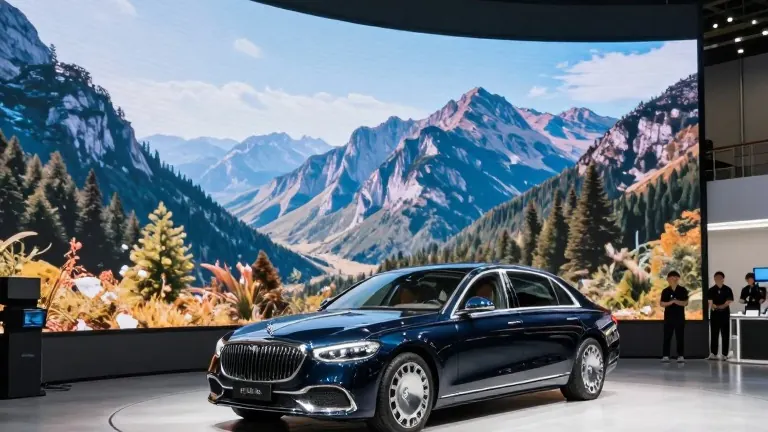
Mercedes-Benz, a previous client, needed an advertisement for its S-Class sedan involving locations across five continents. International travel was restricted, so the car was transported to the Tampa facility. The prototype arrived with flat tires and nonfunctioning lights, but it remained stationary for filming. The LED wall provided realistic reflections on the car's bodywork that a green screen would have required post-production to fix.
Mercedes executives watched the production remotely via Zoom. They saw the car appear to travel through different landscapes without moving. The crew switched the scenery from a beach to mountains on command. The successful demonstration led to new clients, including Jack Daniel’s and NBC’s Today show. Inquiries arrived from India, Australia, and Malta. These international callers wanted to know if Diamond View could build similar LED installations for them.
Source: Tampa Bay Business and Wealth
More Business · Rip-Off Report · Report a business · Got a Story?