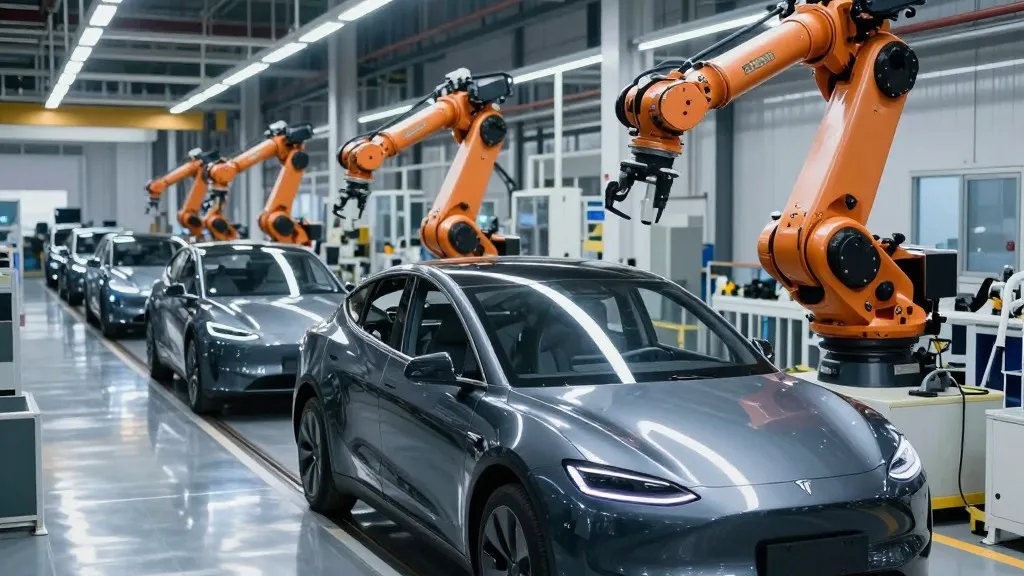
Tesla Admits It Needs Its Own Maps to Fix FSD Glitches
After years of claiming cameras were enough, Tesla is now building a proprietary mapping system to correct speed limit errors and improve navigation for its driverless cars.
By Sarah Ross ·
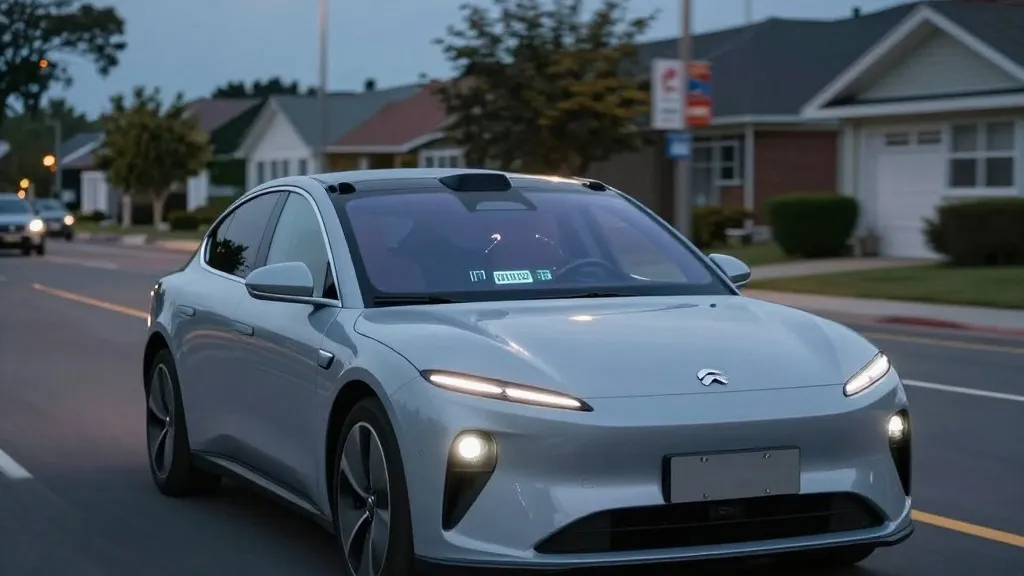
In 55 percent of the thirty kilometer per hour zones tested in Brussels, Tesla’s Full Self-Driving system was caught speeding. This striking statistic from a recent Belgian road safety study highlights a persistent weakness in the technology. It also serves as a stark backdrop for a major admission made by Tesla executives this week. The company is now building its own maps to address these and other common failures in its driving software.
The shift was detailed during Tesla’s third quarter 2026 earnings call. Ashok Elluswamy, the company’s vice president of AI, outlined the new strategy. He stated that Tesla should no longer depend on external providers for mapping data. Instead, the automaker is developing a new architecture for mapping and navigation. This system will be powered by artificial intelligence and fed by data collected collectively from the company’s massive fleet of vehicles.
This approach marks a significant departure from previous company messaging. For years, Tesla’s leadership argued that relying on detailed maps made self-driving systems brittle and overly complex. In 2019, CEO Elon Musk famously called high-precision lane maps a huge mistake. He described them as a really bad idea that made systems extremely fragile. At the time, he also dismissed the use of lidar sensors as a fool’s errand, insisting that cameras and AI were sufficient for driving anywhere.
The new plan aims to solve specific problems that the current vision-based system struggles with. These include reading speed limits, finding parking spots, and selecting typical routes. Elluswamy explained that the technology will first handle the start and end of trips with the upcoming FSD version 15. Over the following months, it will take over broader navigation tasks and destination handling. The system is also designed to learn individual driver preferences and respond to voice commands.
The need for this new layer of data is driven by real-world performance issues. In addition to the Brussels findings, U.S. regulators are weighing an investigation into claims that Tesla robotaxis speed through active school zones. This potential probe covers approximately 1,000 Model Y and Cybercab vehicles. These incidents suggest that the current end-to-end vision system cannot always reliably interpret basic road information like speed limit signs.
Critics argue that this move brings Tesla closer to the methods used by competitors like Waymo. Waymo has long used sensor-equipped vehicles to map cities before launching service and keeps those maps updated as its fleet drives. Tesla is now describing a similar process where its cars collect visual data to build a map that helps every vehicle drive better. The primary technical difference remains that Waymo’s vehicles are equipped with lidar, while Tesla relies on cameras.
This new strategy also aligns with how Tesla’s robotaxi service currently operates. The service runs city by city within small geofenced areas, with Tesla managing the fleet operations directly. While the company is not currently creating centimeter-level high-definition maps, the fleet-built map could evolve in that direction over time. This gradual refinement allows Tesla to improve accuracy without the immediate burden of mapping every road in the country.
The development comes as Tesla continues to push for unsupervised Full Self-Driving in consumer cars. The company has targeted the second quarter of 2027 for this rollout, though it is currently limited to its own robotaxi fleet. For a decade, Tesla has marketed its self-driving effort as a general solution that works anywhere. Now, with the addition of a dedicated map layer and continued reliance on geofenced areas, the company is adopting a hybrid approach that blends vision with curated geographic data.
Source: Electrek · original report published