Sedona crystal sellers warn buyers on lab-grown stones and plastic fakes
With TikTok views topping 20 billion, the gemstone market has expanded rapidly, prompting local experts to advise consumers on how to distinguish natural minerals from synthetic imitations.
By Rahul Garnier ·
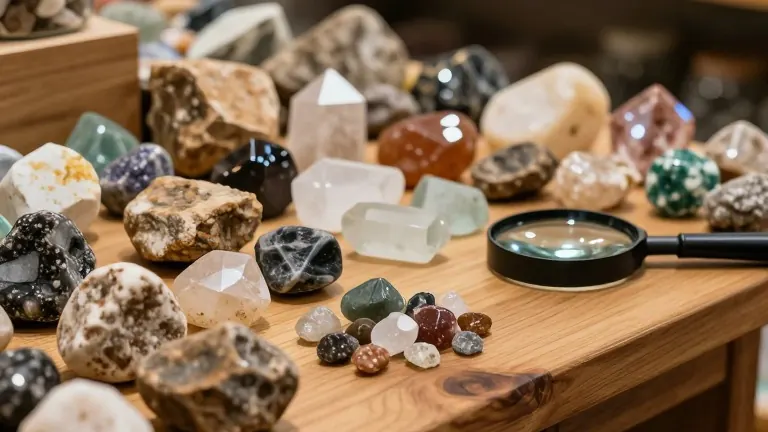
Consumers purchasing gemstones in Sedona, Arizona, are being advised to verify the origin of their stones to avoid paying premium prices for lab-grown or synthetic materials. Jamie Inglett, the owner of a local crystal shop, stated that fakes are available in both brick-and-mortar stores and at gem shows. She noted that buyers need to conduct their own research to distinguish between natural minerals and artificial alternatives.
The market for crystals has grown substantially due to social media engagement. The hashtag #crystals has accumulated 20 billion views on TikTok. Inglett, who gained a following of 215,106 users on Instagram, opened a physical storefront in Sedona after building an online customer base. She emphasized that the aesthetic value of the stones appeals to buyers regardless of their belief in healing properties.
Shannon Wimberly, a collector who has purchased crystals for several years, reported encountering counterfeit items. She said she now examines purchases more closely after buying fake products in the past. Inglett explained that sellers sometimes present lab-grown crystals as natural stones. She cited an example of a lab-grown crystal bought from a Sedona shop for more than $100, which she said could be found online for between $5 and $20.
Inglett noted that buyers may also purchase items made entirely of plastic or glass. To identify these materials, she recommends asking sellers for the country of origin or the specific mine name. She said that sellers should be able to provide this information. If a seller cannot confirm the source, buyers should be cautious.
Physical characteristics can help differentiate genuine stones from imitations. Inglett said glass fakes produce a different sound when struck, do not feel cold to the touch, and often display unnatural dye patterns. She added that fake moldavite lacks the natural grooves and textures found in authentic specimens and appears too uniform in shape.
Inglett stated that lab-grown crystals are acceptable products if the seller discloses their origin. She said the primary issue is transparency in the sales process. Buyers are encouraged to ask specific questions about authenticity before completing a transaction. The local market continues to see high demand as more consumers enter the hobby through online platforms.
The Sedona gemstone market remains active with new inventory arriving regularly. Experts suggest that consumers inspect stones for visual inconsistencies and consult with knowledgeable sellers. The rise in social media interest has increased the volume of products available to the public.
Source: WBTV
More Business · Rip-Off Report · Report a business · Got a Story?