Under $30,000: Tesla Sets Year-End Target for Cybercab Customer Deliveries
Tesla aims to hand over its autonomous two-seater to private buyers before 2027, though most units will initially join the company's internal robotaxi fleet.
By Lauren Collins ·
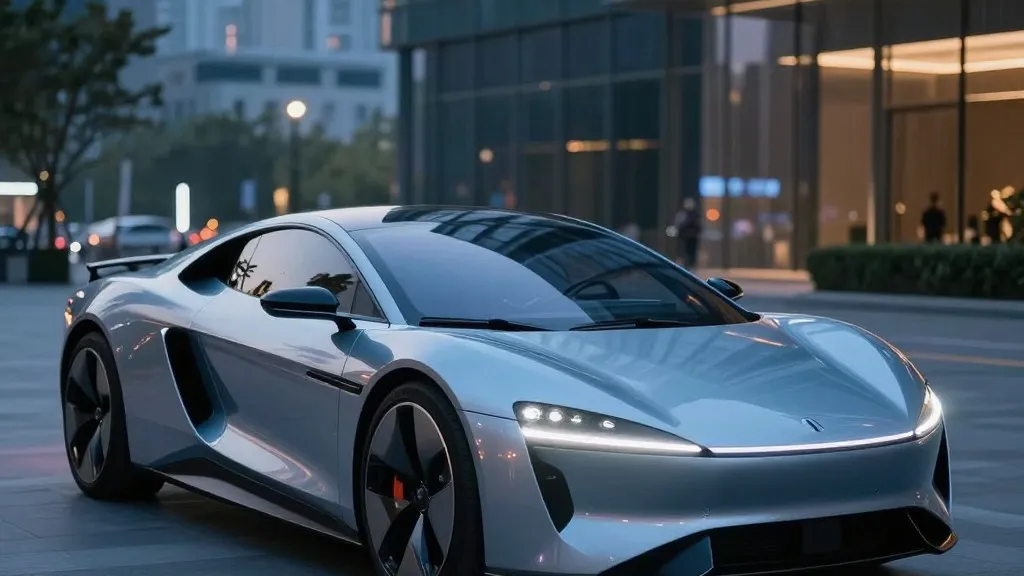
Tesla has officially pegged a target date of less than two months for customers to take possession of the Cybercab, the company’s fully autonomous two-seater. This announcement, made during the third-quarter 2026 earnings call on October 21, brings a definitive timeline to a vehicle that has long been shrouded in speculation regarding its commercial availability.
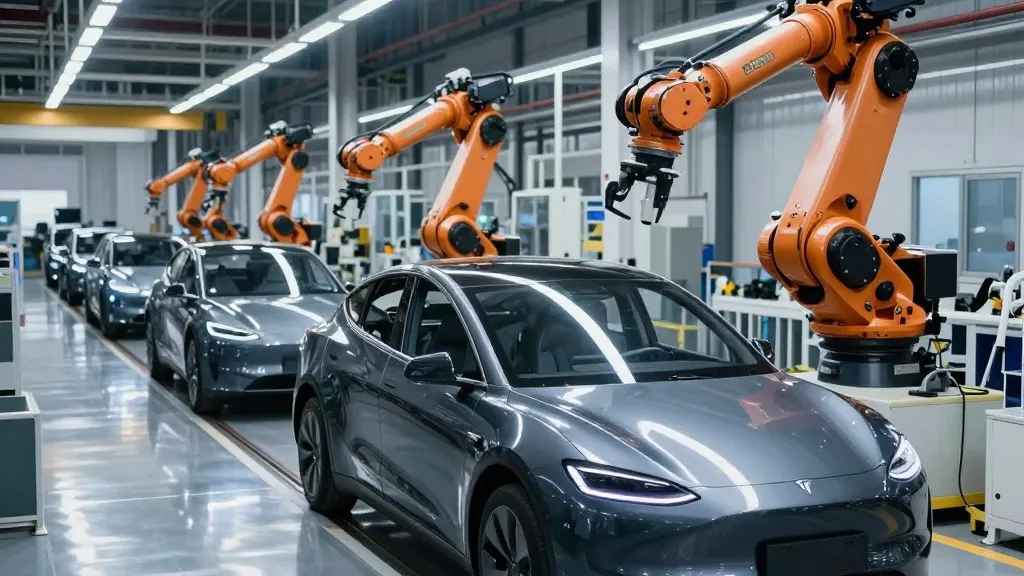
Vice President of Engineering Lars Moravy stated that the company is working to get Cybercabs into the hands of customers by the end of 2026. While production is actively underway at the Gigafactory Texas line, Moravy clarified that every unit rolling off the assembly line is currently being diverted to Tesla’s internal Robotaxi fleet. This strategic move allows the company to refine its operations before opening the floodgates to private ownership.
CEO Elon Musk reinforced the idea that the Cybercab is not primarily intended as a traditional personal vehicle. He described the model as a "transport-as-a-service" offering, noting that the vast majority of these units will remain Tesla-owned. This distinction separates the Cybercab from the Model 3, Model Y, and the upcoming Roadster, which are positioned more heavily toward individual consumer ownership.
The vehicle itself is a radical departure from standard automotive design, featuring a two-seat configuration with no steering wheel or pedals. It relies entirely on Tesla’s Full Self-Driving suite to operate. Production of the Cybercab began in February 2026, and early units have been integrated into the Robotaxi service since the public launch of rides in early September. Tesla has previously indicated an approximate price point of $30,000 for the vehicle.
Despite the aggressive timeline, the transition to private customer deliveries will be gradual. Moravy explained that initial sales will start small as Tesla gains experience with the logistics of delivery, various ownership models, and fleet management. A significant part of this learning curve involves operating autonomous vehicles outside of the company’s direct control, ensuring safety and reliability before scaling up sales.
Looking ahead, Tesla’s Head of AI, Ashok Elluswamy, indicated that unsupervised Full Self-Driving capabilities are expected to ship to consumer cars during the second quarter of 2027. However, early Cybercab buyers and fleet operators may face geographically restricted autonomous operation. This limitation is largely due to lagging regulatory agencies, which still have hurdles to clear before fully approving widespread unsupervised driving in various jurisdictions.
For the Southeast and other regions where Tesla has a strong presence, this timeline suggests that while the robotaxi service is already active, the opportunity to buy a Cybercab for personal use is on the immediate horizon. The focus remains on scaling the transport-as-a-service model, with private ownership serving as a secondary but growing market segment as the company navigates the complex landscape of autonomous vehicle regulation.
Source: Teslarati