
Stadium Heat: Misting Fans Held Back by Player Safety
Operators say moisture concerns prevented the use of cooling devices at One New Zealand Stadium during the recent rugby final.
By Katherine Diallo ·
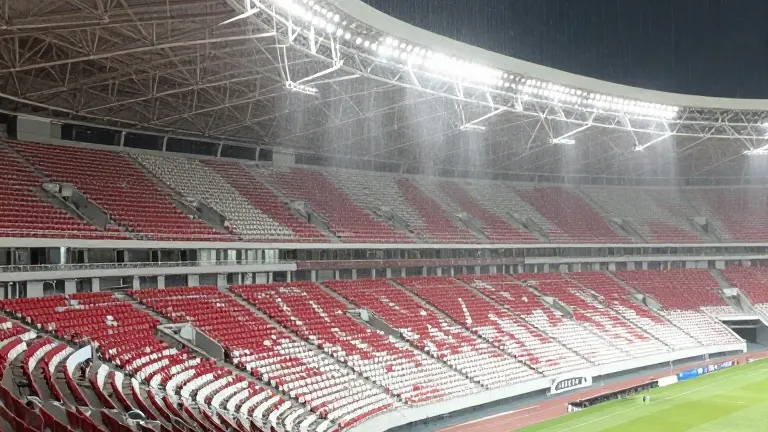
Six people required medical treatment for heat-related issues after the temperature spiked inside One New Zealand Stadium during Monday's National Provincial Championship final. The incident occurred on the third consecutive day that Christchurch temperatures reached the mid-to-late 20s Celsius. St John confirmed the treatments following the sold-out match, which marked the third day of intense sporting events at the venue.
Venues Ōtautahi chief executive Caroline Harvie-Teare acknowledged that the internal environment felt hot during the early afternoon kickoff. She stated that the ventilation performance on Monday did not match the better conditions observed on Sunday, despite strong winds outside. Harvie-Teare noted that the overhead ceiling fans provided a cooling effect, describing any breeze as making a material difference to the comfort of those in the seating bowl.
The stadium has the capability to deploy misting fans before events to lower temperatures in the seating area by approximately five degrees. These devices were not utilized over the long weekend due to safety concerns regarding the playing surface. Harvie-Teare explained that excessive moisture on the pitch could make conditions slippery for the players. She added that concerts would use turf protection, allowing for a different operational approach in those scenarios.
Staff and spectators reported significant discomfort during the events. A security guard who worked the long weekend described the heat as extreme and unsafe, stating that some spectators appeared to be fainting. An unnamed stadium worker, who did not work the final but is part of the staff, said temperature fluctuations were a major topic of discussion among colleagues. The worker noted that the conditions inside the closed arena were a subject of widespread concern.
Monday's match included specific heat management protocols. Organizers introduced a water break at the end of each half and extended the halftime period to 20 minutes. These measures complied with World Rugby guidelines introduced last year, which mandate extended breaks when heat stress risk is classified as very high. The regulations aim to protect player health during high-temperature conditions.
The new stadium, which cost $683 million to build, is currently undergoing a review of its performance. Harvie-Teare stated it is too early to determine if a design oversight occurred during construction. The team needs to complete further work to understand if the current conditions align with the original design specifications. She confirmed that the building is experiencing conditions outside of what the operators expected to see.
The heat issues emerged during a busy sporting weekend. The venue hosted a Rugby League World Cup double-header on Sunday, following a cricket T20 international at Hagley Oval on Saturday. The NPC final on Monday drew a full house. Post-game feedback from spectators was mixed. While all agreed the venue was hot, some felt the heat was manageable with proper clothing and hydration.
One New Zealand Stadium is scheduled to host major concerts in the coming months. The event calendar includes performances by Robbie Williams and the Foo Fighters. These future events will test the venue's climate control systems under different conditions than those experienced during the recent rugby matches.
Source: The Star