Pope Leo XIV Casts First Papal Ballot in U.S. Midterm
The Chicago-born pontiff submitted a mail-in ballot in Illinois, a move the Vatican says reflects his view of voting as a civic duty.
By Katherine Diallo ·

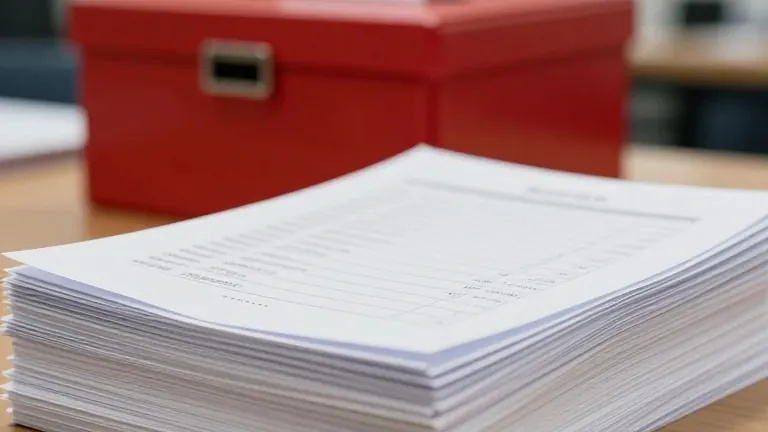
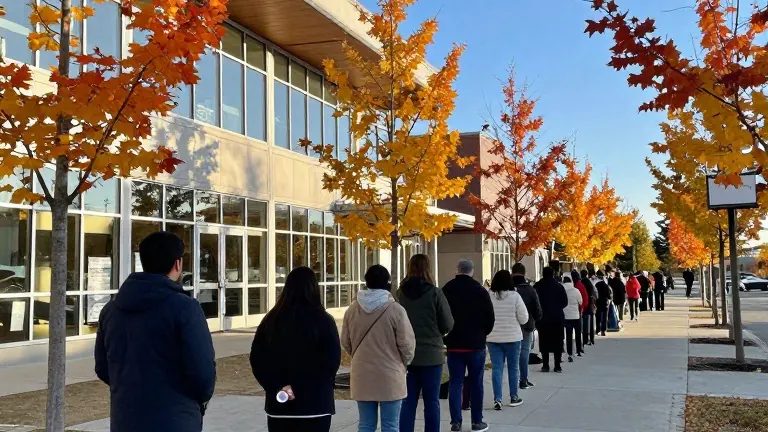
Pope Leo XIV became the first pontiff in history to vote in a United States general election. The Vatican confirmed on Friday that the Chicago-born leader submitted a mail-in ballot in Illinois ahead of the November midterms. This action marks a new precedent for the role of the papacy in American democratic life.
The Holy See press office stated that Leo, formerly known as Robert Prevost, exercised his right to vote as a U.S. citizen. The statement emphasized that he has done so whenever eligible, including during his years living in Peru. The Vatican described his participation as an expression of belief in the right and duty of citizens to engage in democratic processes.
Records from the Illinois State Board of Elections show Prevost has participated in five primary elections since 2000. He requested Democratic primary ballots in 2008 and 2010 while registered in Cook County. After moving to the more conservative Will County, he requested Republican primary ballots in 2012, 2014, and 2016. The records do not specify which candidates he supported, as party preference is only required for primary ballots.
The Chicago Sun-Times first reported the vote, citing the chief of staff at the Will County clerk’s office. The office confirmed that the pope, registered at a New Lenox address, requested the mail-in ballot on Oct. 3. It remains unclear how the completed ballot was returned, though his brother John Prevost was in Rome this week with parishioners from St. Jude’s in New Lenox. The elder Prevost has attended Mass at that parish, and Leo spoke there in 2024 while still a cardinal.
Prevost’s voting history includes participation in every general election since 2000, with the exception of 2020 and 2022. His shift from requesting Democratic to Republican primary ballots aligns with his geographic move from the urban core of Chicago to the suburban area. This pattern suggests a pragmatic approach to civic engagement rather than a fixed partisan alignment.
Source: WTVD