Model A Restoration: 5 Million Built, Fewer Left
A Richmond-area club works to maintain vehicles produced between 1927 and 1931, which featured electric starts and four-wheel braking long before they became standard.
By Rahul Garnier ·
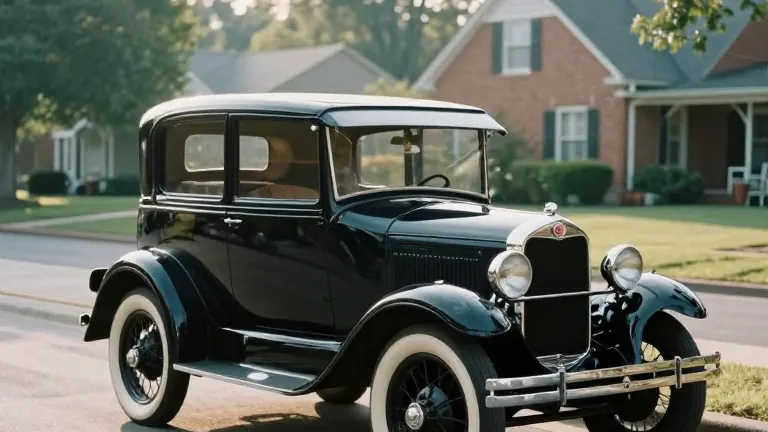
Ford Motor Company produced approximately 5 million Model A vehicles between 1927 and 1931. Only a small fraction of those cars remain operational today. Dennis Stone, president of the Old Dominion Model A Ford Club of Greater Richmond, leads a local group dedicated to keeping these engines running.
The Model A served as the successor to the Model T. Henry Nelson, the club's secretary, noted that a newspaper advertisement from December 1927 announced the arrival of the new model. The car was designed to be an upgrade, offering features that were rare for the era. Nelson stated that the vehicles came standard with an electric start, eliminating the need for a hand crank. They also included brakes on all four wheels, shock absorbers, and a dipstick to check oil levels without getting under the car. Gauges inside the vehicle allowed drivers to monitor their speed.
Stone described the driving experience as bare bones. Most Model A cars lacked radios, air conditioning, and power brakes. He called them the cheapest cars on the market at the time. Despite the lack of modern comfort, the vehicles remain popular among club members and the public. Stew Wolfe, the club's vice president, said the cars generate a high number of smiles per mile. He noted that pedestrians, especially children, react with excitement when the cars use their air horns.
The club meets in Glen Allen, Virginia, to showcase the vehicles. Stone observed that drivers and passengers often wave to onlookers. He pointed to a recent attendee who leaned out the window to greet the crowd. The group aims to preserve the history of the Model A, a car that was only produced for a limited window of four years.
The Old Dominion Model A Ford Club of Greater Richmond continues to maintain the fleet. Members ensure the classic machines remain on the road nearly a century after their initial production ended.
Source: WCJB