
Dunedin Student Advocates Embracing Small Rooms in Shared Housing
A local columnist argues that strategic storage and random selection methods help students turn limited square footage into a functional sanctuary.
By Rahul Garnier ·
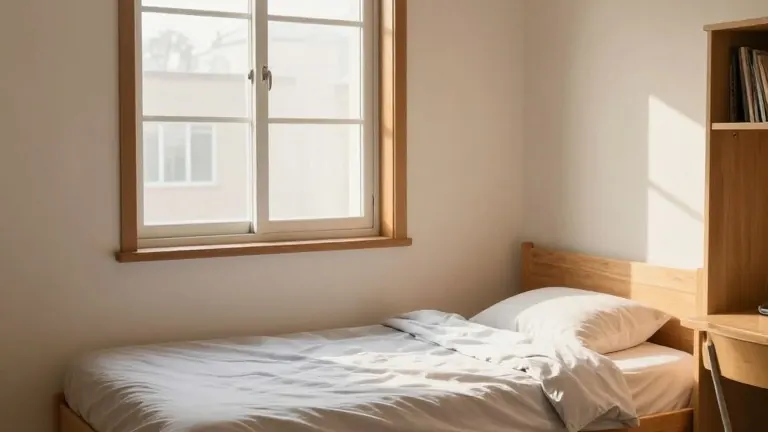
Dunedin’s housing market is characterized by uneven layouts where bedroom sizes vary dramatically within a single property. A local columnist published on October 27 argues that students should stop viewing the smallest bedroom as a penalty and start treating it as a manageable challenge.
The author, who spent a year in a room only slightly wider than a queen bed, contends that the anxiety surrounding room selection is often self-inflicted. Many students sign leases without realizing one bedroom is significantly smaller until after the contract is finalized. The columnist suggests that paying an extra $10 to avoid the small room is a common but unnecessary financial burden.
To mitigate conflict, the writer recommends using a random draw system for assigning rooms. While some flatmates attempt to negotiate through discussion, this often leads to pressure dynamics where one person accepts the smallest room to maintain group harmony. A random selection process removes the element of negotiation and ensures that no one feels they lost an argument. The author recalls their own room assignment, which resulted from a spinning wheel app used in Te Mātiti, and notes that the initial disappointment lasted only about 30 seconds before acceptance set in.
Space efficiency requires a rigorous review of personal belongings. The columnist advises students to sell or donate items they no longer use, a task that is easier when the physical space cannot accommodate them. Furniture with built-in storage is highlighted as a practical solution. The author also points to the annual flatting goods sale at Te Oraka and the end-of-year furniture clearance as reliable sources for affordable, compact items. This process forces a curation of possessions, ensuring that only essential or genuinely loved items occupy the floor space.
The limited dimensions of a small room encourage different interactions with the space. The author describes finding utility in large windowsills, which served as seating and work areas when standard furniture did not fit. This forced adaptability led to a deeper appreciation for specific features like afternoon sunlight or accessible power outlets. The columnist argues that this intimate knowledge of every centimeter creates a unique charm that larger rooms often lack.
Heating costs provide a practical advantage for smaller spaces during the Dunedin winter. The author notes that their small room reached a comfortable temperature quickly after the lounge heat pump was turned on, requiring personal heaters fewer than ten times all year. In contrast, a flatmate with a room three times the size required a sleeping bag to stay warm despite double glazing. The reduced volume of air in a small room means lower energy consumption and less effort to maintain a comfortable temperature.
The piece concludes with a call to romanticize the space rather than complain about it. By treating the room as a personal sanctuary, students can focus on comfort and layout rather than square footage. The author became attached to the small room by the end of the year, citing the ease of reaching all possessions from the bed and the cozy atmosphere. The final advice is to decorate the space and lean into its compact nature, potentially leading to a preference for the room upon leaving.
Source: Critic Te Ārohi